
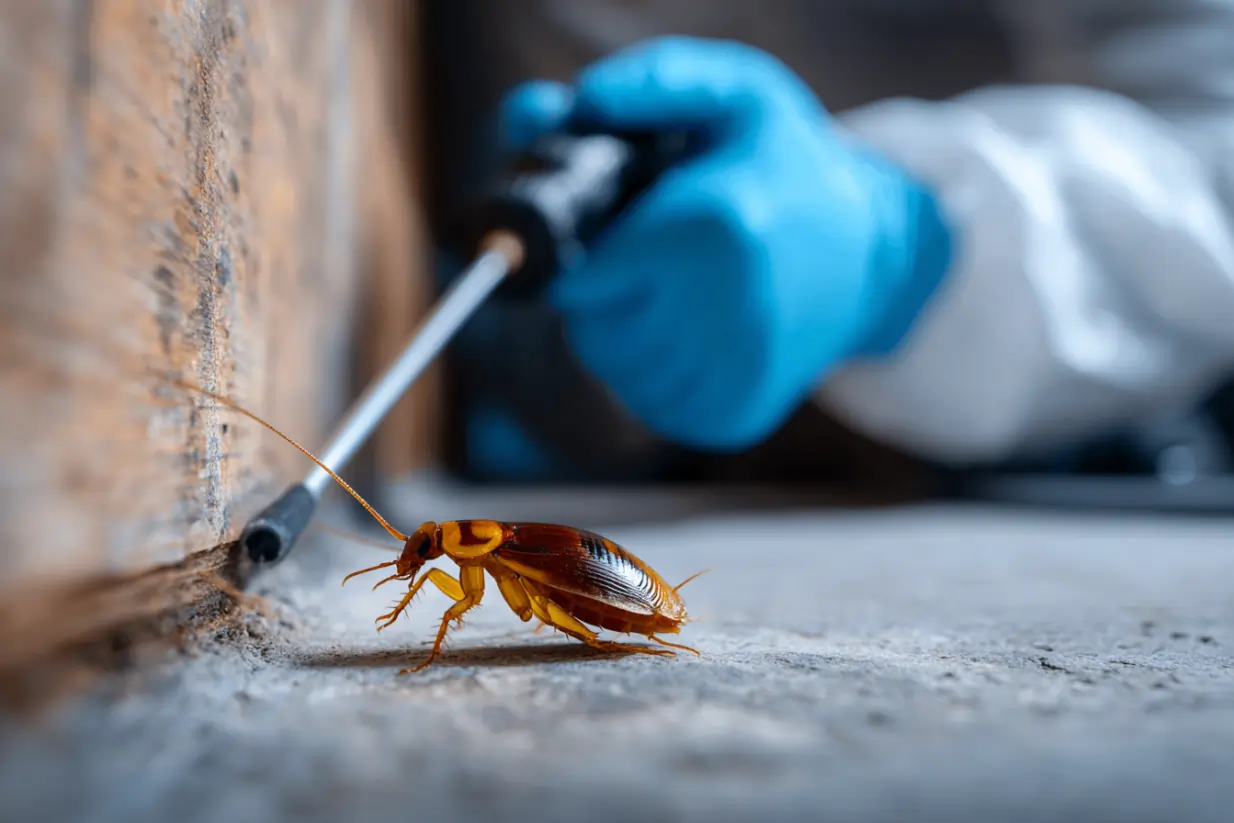
Cockroaches are not just an unsightly nuisance; they pose significant health and structural risks when left unchecked. Effective cockroach extermination plays a critical role in preventing future infestations and maintaining a safe, hygienic environment. Understanding why immediate action is necessary and how thorough extermination helps can make all the difference in long-term pest management success.
Why Cockroach Infestation Prevention is Crucial
Cockroaches are resilient pests that reproduce rapidly and thrive in various environmental conditions. A single infestation can lead to:
– Health hazards: Cockroaches carry pathogens that can cause diseases such as salmonella, E. coli infections, and respiratory issues like asthma.
– Contaminated food sources: They leave behind feces, saliva, and shed body parts that contaminate food supplies.
– Structural damage: In prolonged infestations, cockroaches may damage books, upholstery, wallpaper, and electronic devices.
The key to minimizing these risks lies in eliminating current infestations completely while taking proactive measures to prevent their recurrence.
How Cockroach Extermination Stops Future Problems
- Identifying nesting sites (e.g., cracks, crevices, under appliances).
- Spotting droppings or smear marks indicative of high activity areas.
- Using baits or gels that attract cockroaches while delivering pesticides directly to their colonies.
- Employing residual sprays for long-lasting effects in hard-to-reach areas.
- Implementing traps for ongoing monitoring.
- Ensuring food is stored in airtight containers.
- Cleaning up crumbs or spills promptly.
- Addressing leaking pipes or other sources of moisture that attract roaches.
- Sealing Entry Points
Blocking gaps around doors, windowsills, plumbing systems, and building foundations prevents new roaches from entering.
Long-Term Benefits of Early Pest Removal
| Benefit | Description |
| Reduced Health Risks | Eliminates exposure to allergens and pathogens carried by roaches. |
| Cost Savings | Avoids repetitive costs associated with addressing recurrent infestations. |
| Peace of Mind | Creates a healthier home or work environment free from pest concerns. |
By addressing the issue immediately with expert solutions or DIY methods when appropriate, property owners can ensure that minor infestations do not spiral into larger problems with more severe consequences.
Proactive Measures Following Extermination
After exterminating existing cockroaches successfully: – Maintain cleanliness by adopting daily sanitation routines. – Regularly inspect high-risk areas like kitchens or basements for signs of new activity. – Schedule periodic pest control assessments to stay ahead of potential problems.
When handled correctly, the extermination process becomes the foundation for effective future pest prevention strategies—ensuring your space remains safe from these persistent invaders over time.
How a Pest Control Company Can Help Prevent Bigger Pest Problems in the Future
Cockroaches are one of the most resilient and adaptive pests, capable of surviving in harsh conditions and quickly reproducing under favorable circumstances. Addressing a cockroach infestation early is not just about eliminating current nuisances but also about preventing larger-scale issues with other pests that can arise if roaches are left untreated. Here’s why prompt and effective cockroach extermination matters for safeguarding your home or business.
https://coralspringspestco3.wixsite.com/pestcontrol
Understanding How Cockroaches Impact Pest Removal Services in Florida
- Attracting Other Pests: The debris, droppings, and carcasses of cockroaches can attract ants, spiders, and even rodents, creating a cascading effect of pest problems.
- Spreading Bacteria: As they scuttle through trash and contaminated areas, roaches carry harmful bacteria like E.coli and Salmonella on their bodies. This contamination can exacerbate hygiene issues, increasing the risk of secondary infestations from flies or beetles seeking food sources.
- Weakening Structural Integrity: Over time, cockroach activity damages walls, furniture, packaging materials, and wires. These deteriorated conditions may invite termites or carpenter ants into your property.
Effective Florida Pest Control Service to Prevent Escalation
- Eliminate crumbs or spills that attract roaches by thoroughly cleaning surfaces daily.
- Remove grease buildup in kitchens and food preparation areas.
- Regularly empty trash bins with tight-fitting lids.
- Inspect walls, windows, doors, and plumbing fixtures for cracks or openings.
- Seal gaps using caulk or weatherstripping to block access points.
- Fix leaks under sinks or in bathrooms promptly.
- Dry up standing water around drains or pipes since roaches thrive in moist environments.
- Place gel baits strategically near crevices where roach activity has been observed.
- Deploy sticky traps to monitor roach movements over time.
Long-Term Benefits of Early Extermination
| Benefit | Description |
| Better Hygiene | Reduces exposure to allergens and pathogens carried by cockroaches. |
| Reduced Risk of Secondary Infestations | Lessens the likelihood of attracting ants, rodents, or flies into your space. |
| Preserved Property Value | Prevents damage caused by nesting or chewing over prolonged infestations. |
| Enhanced Comfort & Peace of Mind | Creates a cleaner environment with fewer chances of recurring issues later on. |
Professional Assistance When Necessary
While DIY methods can be effective for minor problems, larger infestations often require professional expertise to ensure complete elimination. Exterminators use advanced techniques like residual insecticides and monitoring systems that cannot always be replicated with store-bought solutions alone.
Preventative steps combined with professional intervention when needed will ensure you not only eliminate existing cockroach populations but also safeguard against future outbreaks of multiple pests in your environment.
Identifying Early Signs with Florida Pest Control to Prevent Infestations
Identifying the early signs of pest infestations is critical to mitigating potential damage and preventing a full-blown invasion. Pests often leave subtle indicators of their presence, which can easily be overlooked without careful observation. Below, we explore common warning signs across various pests, providing you with the knowledge necessary to act swiftly.
Common Early Signs of Pest Infestations
- Rodents such as mice and rats leave small, dark droppings in areas where they are active.
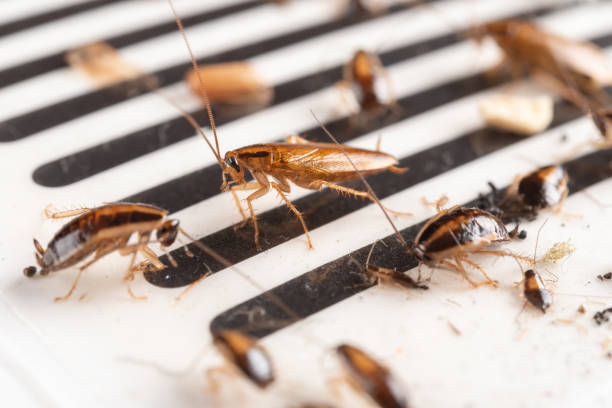
- Insects like cockroaches produce fecal spots resembling ground pepper or coffee grounds.
- Identify and monitor areas such as cabinets, under furniture, and near food storage for these clues.
- Rodents are notorious for chewing on wires, wooden surfaces, and cardboard materials.
- Damaged packaging in pantries could indicate an infestation.
- Scratching sounds within walls or ceilings typically point to rodents or other pests nesting indoors.
- Clicking noises at night may indicate termite activity in wooden structures.
- A musky smell is often associated with cockroach infestations.
- Dead pests or rodent urine may also emit foul odors over time.
- Shed skins (from insects like bedbugs) or wings (such as those left by termites during swarming) can signal a growing problem.
- Dead insects near windowsills or light sources should not be ignored.
- Holes or damaged leaves on houseplants could signify an insect infestation like aphids or spider mites.
Why Early Detection Matters
| Risk Type | Examples | Impact |
| Health Risks | Allergies, asthma from cockroaches; diseases from rodents | Contaminated environments that affect well-being |
| Structural Damage | Termites weakening wooden structures | Costly repairs due to compromised integrity |
| Food Contamination | Pests invading stored food | Financial loss from spoiled goods |
By recognizing these indicators early on, you can minimize damage while reducing remediation costs over time.
Steps to Monitor & Prevent Escalation
- Perform regular inspections in high-risk areas such as kitchens, basements, attics, and crawl spaces.
- Seal cracks or gaps around doors and windows where pests might enter.
- Keep food storage containers tightly sealed to limit access to resources.
- Properly dispose of garbage and keep waste bins covered.
- Reduce clutter that provides hiding spots for pests.
If evidence suggests a developing infestation that cannot be addressed through basic prevention measures, reach out promptly to a pest control professional for targeted solutions.
Early awareness is key to effective pest management strategies that protect both your property and quality of life long-term.
Best Practices for Long-Term Pest Control and Prevention Success
Effective pest control is not only about eliminating existing infestations but also about maintaining a pest-free environment in the long term. By implementing best practices, homeowners and businesses can safeguard their property against recurring infestations. Below, we outline some essential strategies for sustainable pest prevention and control success.
1. Maintain a Clean Environment
One of the most important steps in long-term pest control is maintaining cleanliness. Pests thrive in dirty, cluttered spaces where they can find food, water, and shelter. Regular cleaning disrupts these conditions.
- Wipe down counters and stovetops daily to remove food debris.
- Store food in airtight containers to prevent contamination.
- Empty trash bins regularly and use bins with tight-fitting lids.
- Vacuum carpets and rugs weekly to remove crumbs.
- Avoid clutter that could provide hiding spots for pests.
- Clean pet bedding frequently to prevent the attraction of fleas or mites.
- Eliminate standing water sources, such as birdbaths or poorly draining soil.
- Trim overgrown vegetation around buildings to limit pest access points.
2. Seal Entry Points
Pests often enter homes through small cracks, gaps, or openings that might go unnoticed. Conduct regular inspections of your property to identify potential entry points.
- Inspect windows and doors for gaps; install weather stripping or door sweeps as needed.
- Seal cracks around foundations, walls, and utility penetrations using caulk or steel wool.
- Repair damaged screens on doors and windows promptly.
3. Regular Monitoring
Routine monitoring can help you detect early signs of a potential infestation before it becomes a bigger problem.
| Pest Type | Early Signs | Actions to Take |
| Rodents | Droppings near food storage areas | Set traps or contact professionals |
| Cockroaches | Shed skins or egg casings | Deep clean affected areas |
| Termites | Mud tubes near wood structures | Schedule professional inspection |
| Ants | Trails leading to food sources | Use bait stations |
4. Use Safe Pest Control Products
When addressing minor infestations independently, prioritize safe pest control measures that minimize harm to humans, pets, and the environment.
- Utilize organic pesticides when possible.
- Use bait traps instead of chemical sprays for targeted treatment.
- Follow product instructions carefully to maximize effectiveness while minimizing risk.
5. Educate Yourself About Pest Behavior
- Learn about seasonal activity patterns (e.g., increased rodent issues in colder months).
- Identify which structural vulnerabilities attract certain pests (e.g., termites favor moist wood).
The Role of Professional Inspections
Even with robust preventive measures in place, scheduling periodic professional inspections is key for detecting hidden problems that may not be evident during routine checks. Professionals have access to advanced tools like moisture meters or infrared cameras that can identify potential risks early.
By combining proactive maintenance with expert insights when necessary, homeowners can establish a strong foundation for long-term pest control success while reducing reliance on reactive treatments over time.
When to Schedule Professional Help to Effectively Handle Pest Issues
Effectively managing pest problems requires careful timing and decision-making. While some pest issues may be handled with DIY measures, certain situations warrant the expertise of a professional. Understanding when to call for professional assistance can help protect your property, health, and peace of mind. Below is an in-depth look at when hiring a pest control specialist becomes essential.
Signs That Indicate Professional Help Is Needed
- Recurring Infestations: If pests keep returning despite repeated treatment efforts, professionals can identify hidden entry points or colonies that DIY methods may miss.
- Extensive Damage: Visible damage such as gnawed wood, chewed wiring, or holes in walls often indicates a significant infestation beyond surface-level treatment.
- Unidentifiable Pests: Some pests are difficult to identify without expertise, leading to ineffective treatments if handled improperly. Professionals can diagnose the issue accurately.
- Health and Safety Risks: If pests like rodents or wasps pose immediate threats through bites, stings, or disease transmission, quick action by specialists is critical.
- Large-scale Infestations: If infestations spread across significant portions of your property (e.g., multiple rooms or outdoor areas), specialized tools and techniques are needed for thorough eradication.
Benefits of Professional Pest Control Services
- Accurate Pest Identification: Professionals can pinpoint the species and lifecycle stage of pests for targeted treatment approaches.
- Customized Solutions: Tailored plans based on the severity of infestation and property type ensure effective results.
- Safe Treatment Practices: Licensed exterminators use methods that minimize risks to humans, pets, and the environment.
- Prevention Strategies: Experts provide guidance on long-term prevention measures such as sealing entry points and eliminating attractants.
- Cost Savings Over Time: Addressing infestations promptly with professional help prevents further damage that could result in costly repairs.
Common Scenarios for Scheduling Professional Service
| Scenario | Reasons for Hiring Professionals |
| Bed Bug Infestation | Requires specialized heat treatments or chemical methods |
| Widespread Termite Damage | Structural damage remediation needs expertise |
| Rodent Activity Near Food Areas | Risk of contamination necessitates safe removal techniques |
| Persistent Cockroach Sightings | Identifying breeding sites requires advanced knowledge |
| Regular Seasonal Infestations | Preventative treatments ensure future protection |
How Often Should You Schedule Professional Visits?
- For commercial properties in food service industries: Monthly inspections are ideal due to stricter hygiene requirements.
- For residential properties with occasional issues: Biannual preventive visits often suffice unless specific infestations arise.
- For high-risk areas (e.g., humid regions prone to termites): Quarterly inspections help mitigate risks efficiently.
By proactively scheduling services during peak pest seasons—such as spring and summer—you can better safeguard your home or business against unexpected infestations.
Regular monitoring combined with prompt professional intervention ensures effective handling of even the most complex pest problems while minimizing long-term risks to your property’s integrity and occupants’ health.
- How a Pest Control Company Can Help You Understand Infestations and Their Root Causes
- How a Pest Control Company Can Help Protect Your Home and Health
- Key Differences Between Florida Pest Control Experts and Exterminators
- The Importance of Hiring Exterminators in Florida to Prevent Future Cockroach Infestations
- Expert Tips and Proven Solutions for Florida Pest Control
- Effective Tips for Cleaning Up After Florida Pest Control Treatments
- Effective Pest Removal Services in Florida: Immediate Actions to Take When Facing an Infestation
- How to Avoid Common Florida Pest Control Mistakes and Ensure Success