Charles Holman

How a Pest Control Company Can Help You Understand Infestations and Their Root Causes


Pest infestations can disrupt both homes and businesses, leading to health risks, property damage, and financial losses. Understanding the root causes of pest infestations is crucial for implementing effective and long-lasting control measures. This section explores the factors that contribute to pest problems and how they can be addressed.

Common Causes of Pest Infestations

  1. Access to Food Sources
    Pests are drawn to areas where food is easily accessible. Improper storage of food items or leftovers can attract pests such as rodents, ants, and cockroaches.
  2. Unsealed containers or improperly closed food packages.
  3. Crumbs or spills left on countertops and floors.
  4. Accessible pet food dishes or bird feeders near entry points.
  5. Water Availability
    Many pests rely on water for survival, making areas with leaks or excess moisture attractive breeding grounds. Common water-related issues include:
  6. Leaky pipes or faucets in kitchens and bathrooms.
  7. Standing water in sinks, basements, gutters, or yards.
  8. Poor ventilation in damp spaces like attics or crawl spaces.
  9. Shelter and Hiding Spaces
    Pests thrive in environments that provide them with shelter from predators and harsh weather conditions.
  10. Cluttered storage areas such as garages or basements offer hiding spots for rodents and insects.
  11. Overgrown vegetation near buildings creates entry points for pests.
  12. Cracks in walls, window frames, or foundations serve as entryways into homes.
  13. Seasonal Changes
    Certain times of the year can increase the likelihood of infestations:
  14. Increased insect activity during warm weather months (e.g., mosquitoes).
  15. Rodents seeking warmth indoors during colder seasons.

The Role of Human Behavior

  • Improper Waste Management: Leaving trash bins uncovered or failing to empty them regularly attracts pests like flies and rats.
  • Neglecting Building Maintenance: Delayed repairs to structural damage such as broken screens or gaps around doors can allow easy pest access.
  • Bringing Pests Indoors Accidentally: Items like luggage, second-hand furniture, or firewood can harbor hidden pests when brought into a home without inspection.

Strategies to Address Root Causes

Problem Area Solution
Food access Store food in airtight containers; clean up spills immediately; limit outdoor feeding stations for pets/birds near doors/windows.
Water availability Repair leaks promptly; eliminate standing water; use dehumidifiers if necessary in damp areas like basements/attics.
Shelter Declutter storage spaces; maintain landscaping by trimming bushes/trees away from walls; seal cracks/gaps in your home’s foundation/windows/doors.

By proactively managing these factors, homeowners can significantly reduce the likelihood of a major infestation occurring while creating an environment less hospitable to pests overall.

Understanding why pests invade specific areas paves the way for preventative measures tailored specifically to each situation—reducing dependency on reactive solutions over time while promoting healthier living spaces free from unwanted intruders.​

Essential Florida Pest Control Tips for Identifying Common Household Pests

Household pests can disrupt daily life, cause damage to property, and pose risks to human health. Identifying these pests early is critical for effective management and prevention. Below is an overview of common household pests and how to recognize them.

1. Rodents (Mice and Rats)

Rodents are among the most common household pests, known for chewing through wires, furniture, and even walls.
Identification Characteristics:
Physical Appearance: Small bodies with long tails; mice are typically 2-4 inches in length while rats grow up to 16 inches. – Droppings: Small, dark droppings scattered near food storage or preparation areas. – Noises: Scratching or gnawing sounds inside walls or ceilings at night. – Gnaw Marks: Evidence of chewed wires, baseboards, or food packaging.

2. Cockroaches

Cockroaches are resilient insects that thrive in warm, damp areas such as kitchens and bathrooms. They contaminate food and can trigger allergies or asthma symptoms.
Identification Characteristics:
Physical Features: Oval-shaped bodies ranging from ½ inch to over 2 inches in size (depending on species). Brown or black coloration is most common. – Odor: Strong, musty odor caused by their secretions. – Droppings: Small black specks resembling coffee grounds on countertops or floorboards. – Shed Skin/Egg Cases: Visible remains left near hiding spots.

3. Ants

Ants infiltrate homes in search of food and water, often forming extensive colonies around properties.
Identification Characteristics:
Appearance: Tiny bodies with a segmented waist; coloration varies by species (black, red, brown). – Trails: Long lines of ants leading toward sugary foods or crumbs. – Nests: Mounds of soil near entry points around windowsills or cracks.

Ant Species Distinctive Trait Common Locations
Odorous House Ant Emits a foul smell when crushed Kitchens/pantries
Carpenter Ant Known for burrowing into wood Damp wood; basements
Fire Ant Stings aggressively when provoked Lawns; areas with debris

4. Termites

Termites are silent destroyers that feed on wood structures within homes. Their presence often goes unnoticed until significant damage occurs.
Identification Characteristics:
Mud Tubes: Thin tunnels made from mud found along walls or foundations. – Hollow Wood Sounds: Tap wood structures—infested areas produce hollow sounds. – Swarmers (Alates): Winged termites emerging during mating season.

5. Bed Bugs

Bed bugs are small parasitic insects that feed on human blood while people sleep. They are notoriously difficult to eradicate once they infest a home.
Identification Characteristics:Appearance: Flat-bodied insects about the size of an apple seed; reddish-brown color after feeding. – Bite Patterns: Red itchy welts often appearing in clusters on exposed skin overnight. – Dark Spots/Stains on Bedding: Evidence includes fecal spots or crushed bed bugs leaving blood stains.

6. Spiders

Spiders may not always be harmful but can cause anxiety for many homeowners due to their presence indoors. Identification Characteristics: – Spider webs shaped uniquely depending upon species’ habits – Sightings commonly occur around windowsills/baseboards where moisture levels tend higher

Signs You Need Exterminators in Florida to Address Infestations in Your Home

Physical Evidence of Pests

Certain pests leave behind physical traces that can indicate their presence. Be vigilant for the following signs: – Droppings: Rodents, cockroaches, and other pests often leave fecal matter in areas they frequent, such as pantries, cabinets, or beneath appliances. – Dead Insects: Finding clusters of dead insects near windowsills, basements, or attics may signal an active infestation nearby. – Shed Skins or Exoskeletons: Insects like bed bugs and cockroaches shed their skins as they grow. – Gnaw Marks: Rodents often chew on wood, wires, or plastic materials. This can also present a fire hazard if electrical wiring is damaged.

pompanobeachpestco.wixsite.com/exterminator

Odd Smells

A pest infestation may produce unusual odors that are hard to ignore: – A musty smell, which may indicate a rodent nest or mold growth caused by pest activity. – A strong ammonia-like odor, often associated with rodent urine. – A sweet yet pungent smell that could signal the presence of bed bugs or cockroach secretions.

Property Damage

Pests can cause extensive structural damage over time: – Chewed Wires or Furniture: Rats and mice gnaw constantly to keep their teeth sharp. – Holes in Walls or Baseboards: Small holes may indicate burrowing rodents or termites creating tunnels. – Damaged Food Packaging: Torn bags or chewed cardboard boxes are signs pests have accessed your pantry.

Sounds During Nighttime

Some pests are nocturnal and more active at night: – Scratching or scurrying noises within walls indicate rodents such as mice or rats. – Buzzing sounds near lights could point to flying insects like wasps trapped indoors.

Visible Nests or Colonies

Look for evidence of nests that pests build: – Rodents use shredded paper, fabric, and dried plant matter to construct nests in dark corners. – Ant colonies may form visible mounds outside your home near foundations.

Pest Type Primary Signs Risk Level
Rodents Droppings, gnaw marks High
Cockroaches Musty odor, shed skins High
Termites Hollow wood structures Extreme
Bed Bugs Blood spots on bedding High

Unexplained Health Problems

Certain health issues among family members might be linked to pest infestations: – Allergies triggered by cockroach droppings. – Skin irritation from bed bug bites.

Being mindful of these indicators allows for prompt action before infestations worsen. Early intervention not only saves costs but also protects both your property and well-being.

Warning Signs You Need Pest Removal Services in Florida for Your Home

Identifying the early signs of pest infestations is crucial to mitigating potential damage and health risks. Pests can often go unnoticed until they cause significant harm, but by recognizing the warning signals, homeowners can take timely action to address problems effectively.

Physical Evidence of Pests

  • Rodents often leave small pellet-like droppings in areas like kitchens, basements, or attics.
  • Cockroach droppings appear as tiny black specks resembling ground pepper.
  • Insects like bed bugs and cockroaches shed their skins during molting. Look for these remnants near bedding, furniture, or cracks in walls.
  • Mice and rats will chew on wood, wires, plastic, and even food packaging. Fresh gnaw marks usually have a lighter color compared to older ones.
  • Rodents tend to follow consistent paths along walls or baseboards; over time, this motion leaves greasy smudge marks.

Structural Damage

  • Holes or Tunnels: Termites and carpenter ants bore through wood structures such as beams, flooring, or furniture.
  • Damaged Plants: Pests like aphids or spider mites can cause yellowing leaves or stunted plant growth indoors and outdoors.
  • Chewed Wiring: Rats and mice pose fire hazards by gnawing on electrical wires.
Pest Type Common Damage
Termites Hollowed-out wood
Rodents Gnawed insulation & wiring
Ants Weakening wooden structures

Unusual Sounds

  • Scratching sounds in walls, ceilings, or floors may indicate rodents nesting inside.
  • Buzzing noises may point toward wasp nests hidden in wall cavities or attics.

Odors You Shouldn’t Ignore

  • A musky odor could indicate cockroaches.
  • The scent of ammonia-like urine may signal a rodent problem.
  • Dead pests hidden behind walls emit strong decomposition odors.

Pest Sightings

  • Seeing ants trailing through kitchens or bathrooms suggests a nest nearby.
  • Frequent sightings of flies indoors could point toward decaying organic material attracting them.

Preventative Measures Once Signs Are Detected

  1. Inspect commonly affected areas (kitchens, basements, attics) thoroughly for further evidence.
  2. Clean up food spills immediately and store edibles in sealed containers to deter pests.
  3. Seal cracks around windows and doors to block entry points.

By acting quickly after noticing these signs of infestation at home, you reduce the chances of extensive damage while safeguarding your living environment from health risks associated with pests.

Effective Florida Pest Control Service: Exploring Chemical and Non-Chemical Methods

When dealing with pests, selecting the most effective and safe control methods is essential. Both chemical and non-chemical pest control approaches are widely used, each offering unique advantages depending on the severity of the infestation and the surrounding environment. Below is a detailed exploration of these methods to help you make informed decisions.

Chemical Pest Control Methods

Chemical pest control involves the use of pesticides to eliminate or manage pest populations. These substances are designed to target specific pests while minimizing harm to humans when used correctly.

Types of Chemicals Used in Pest Control:
Insecticides: Target insects like cockroaches, ants, and termites.
Herbicides: Used for controlling weeds that may harbor pests.
Rodenticides: Designed to eliminate rodents such as rats and mice.
Fungicides: Aim at reducing fungal growth that may attract pests.

Advantages:
1. Quick and effective in eradicating infestations.
2. Can target specific species with minimal collateral damage (if applied appropriately).
3. Readily available for both commercial and residential use.

Drawbacks:
– Potential health risks if handled improperly (e.g., respiratory irritation or skin reactions).
– May lead to pest resistance over time with repeated use. – Environmental concerns like soil contamination or harm to non-target organisms.

Non-Chemical Pest Control Methods

Non-chemical approaches focus on preventing or reducing infestations through natural, mechanical, or cultural methods instead of synthetic substances.

  1. Introduction of natural predators like ladybugs for aphid control.
  2. Use of nematodes to combat soil-dwelling pests.
  3. Installing screens on windows and doors.
  4. Sealing cracks and crevices in walls or foundations.
  5. Removing standing water sources that attract mosquitoes.
  6. Proper sanitation practices such as regular cleaning to deter rodents and insects.
  7. Sticky traps for crawling bugs like spiders or roaches.
  8. Humane traps for rodents that allow relocation.
  9. Raising temperatures in infested areas (e.g., bed bug heat treatments).
  10. Devices emitting ultrasonic waves designed to repel pests (though their effectiveness can be variable).
Method Effectiveness Environmental Impact Cost
Chemical High Moderate/High Moderate
Biological Moderate Low Low
Physical Barriers High Low Low
Heat Treatment High Low High

Choosing the Right Method

When deciding between chemical and non-chemical pest control methods, consider factors such as:
1. The type of pest involved. 2. The level of infestation—minor issues may be resolved with non-toxic measures, whereas severe cases might require chemical intervention. 3. Safety concerns for children, pets, or individuals with allergies in your household. 4. Long-term sustainability goals if environmental impact matters greatly.

Both chemical and non-chemical methods have a place in integrated pest management strategies where techniques are combined for maximum effectiveness while prioritizing safety and sustainability wherever possible.

Understanding the Environmental Impact and Benefits of Sustainable Pest Removal Practices

Sustainable pest control practices have garnered significant attention in recent years as concerns about environmental health and biodiversity grow. These practices aim to manage pest populations while minimizing ecological harm, reducing chemical dependency, and ensuring the safety of humans, pets, and non-target species. Below is a detailed overview of their environmental impact and the benefits they offer.

Environmental Impact of Traditional Pest Control Methods

  • Soil Contamination: Chemical residues from pesticides can leach into the soil, altering its composition and reducing microbial diversity essential for healthy plant growth.
  • Water Pollution: Runoff containing pesticide chemicals can contaminate water bodies, harming aquatic life and entering drinking water supplies.
  • Harm to Non-Target Species: Broad-spectrum pesticides may inadvertently harm beneficial insects like pollinators (bees, butterflies) as well as birds and other wildlife.
  • Development of Resistance: Over time, pests can develop resistance to chemical treatments, necessitating higher dosages or more toxic alternatives.
  • Air Quality Deterioration: Some chemical sprays release volatile organic compounds (VOCs), contributing to air pollution.

Advantages of Sustainable Pest Control Practices

Adopting sustainable pest control strategies brings numerous benefits for both the environment and homeowners. These methods emphasize prevention, biological solutions, and responsible use of resources.

  1. Use of natural predators like ladybugs or lacewings to target pest populations without disrupting ecosystems.
  2. Incorporation of botanical insecticides derived from plant-based ingredients that degrade quickly in the environment.
  3. Lower exposure to hazardous chemicals for humans and pets compared to traditional pesticides.
  4. Safer agricultural produce due to minimal residue accumulation in crops.
  5. Targeted approaches ensure non-pest species remain unharmed.
  6. Encourages a balanced ecosystem by fostering populations of beneficial organisms such as pollinators.
  7. While initial implementation may involve higher costs (e.g., installing physical barriers or employing biological controls), long-term savings are achieved through reduced reliance on chemical treatments.
  8. Avoidance of harmful chemicals allows soils to maintain their natural nutrient cycles and microbial activity.

Comparison Table: Traditional vs Sustainable Practices

Aspect Traditional Pest Control Sustainable Pest Control
Primary Method Chemical Pesticides Biological & Preventive Approaches
Environmental Impact High Low
Effects on Non-Target Species Harmful Minimal
Long-Term Effectiveness Reduced (due to resistance) Enhanced
Cost Lower initially but higher over time Higher initially but cost-effective long-term

Examples of Sustainable Techniques

  • Integrated Pest Management (IPM): Combines multiple strategies such as monitoring pests, habitat modification, biological controls, and minimal pesticide usage only when necessary.
  • Physical Controls: Use barriers like screens or traps to keep pests out without using toxins.
  • Cultural Practices: Adjusting planting schedules or rotating crops in gardens reduces the likelihood of pest infestations naturally.

Sustainable pest control offers a balanced approach that prioritizes long-term ecological health alongside effective pest management solutions. By transitioning toward these methods, individuals contribute directly toward reducing environmental degradation while reaping practical benefits within their homes or businesses.


Effective Tips for Cleaning Up After Florida Pest Control Treatments

Man in protective suit disinfecting and spraying every room in the building Man in protective suit disinfecting and spraying every room in the building rodents stock pictures, royalty-free photos & images

After a professional pest control treatment, proper cleaning is essential to ensure the effectiveness of the procedure and maintain a safe environment for occupants. Cleaning up correctly not only removes residual chemicals but also prevents re-infestation by eliminating pest attractants like food particles and nesting areas. Here is a guide to help you navigate the post-pest control cleanup process efficiently.

Preparation Before Cleaning

Before initiating your cleanup process, follow these preparatory steps:
Wait for the Recommended Timeframe: Pest control treatments often require a waiting period before it’s safe to enter or clean the treated areas. Check with your pest control professional for specific instructions. – Wear Protective Gear: Use gloves, masks, and long-sleeved clothing to protect yourself from chemical residue. – Ventilate Your Space: Open windows and doors to allow fresh air circulation and ensure any lingering fumes dissipate.

Areas to Focus on During Cleanup

  1. Wipe down countertops, tables, and other flat surfaces with warm soapy water or a mild cleaning solution.
  2. Pay close attention to high-touch areas such as handles, switches, and doorknobs.
  3. Vacuum carpets thoroughly to remove dead pests or chemical residues.
  4. For tiled or wooden floors, mop using an appropriate floor cleaner mixed with water.
  5. Discard any exposed food items that might have come in contact with pesticides.
  6. Wash all dishes, utensils, and kitchen appliances before use.
  7. If furniture was in proximity to treated areas, vacuum upholstered pieces carefully using a vacuum cleaner attachment.

Additional Best Practices

  • Laundry Care: Wash bedding, curtains, and cushions if they were left exposed during treatment.
  • Trash Disposal: Dispose of captured pests or contaminated materials in sealed plastic bags promptly.
  • Storage Considerations: Ensure that cleaning supplies are stored safely out of reach from pets or children after use.

Post-Treatment Safety Tips

Do’s Don’ts
Follow instructions from pest control experts Ignore safety precautions around chemicals
Use eco-friendly cleaning solutions Overuse water near treated surfaces
Regularly inspect for signs of reinfestation Assume all pests are gone without verification

Proper cleaning after pest control treatments not only ensures safety but also helps maintain long-term results by keeping your space uninviting for future infestations. By following these measures methodically, you can create a healthier environment while maximizing the impact of your pest management efforts.

Effective Tips from Exterminators in Florida for Cleaning Up After Cockroach Treatments

Proper cleanup after a cockroach treatment is essential to ensure the effectiveness of pest control efforts and maintain a safe, hygienic environment. Cockroach treatments often involve chemicals or baits that can leave behind residues, and taking the right steps post-treatment will not only protect your health but also help prevent any reinfestation. Below is a detailed guide on best practices for cleaning after cockroach treatments.

Why Post-Treatment Cleanup Is Important

  • Health Safety: Residual chemicals from pesticides or treatments could pose risks if left unchecked. Cleaning minimizes exposure to hazardous residues.
  • Eliminating Food Sources: Cockroaches thrive in environments with accessible food particles. Proper cleaning removes crumbs and food waste, discouraging their return.
  • Enhancing Treatment Efficacy: While modern pesticides are designed to be long-lasting, removing dead cockroaches and waste ensures better results over time.

Steps for Proper Cleaning

  1. Allow the treatment time to work as instructed by your pest control professional. Typically, this means waiting at least 24–48 hours before beginning cleanup activities unless otherwise directed.
  2. Equip yourself with gloves and a mask to avoid contact with pesticide residues or allergens from cockroach droppings or carcasses.
  3. Look for dead cockroaches, egg cases, droppings, and other debris in corners, under appliances, in cabinets, and around common hiding spots.
  4. Use disposable paper towels or a vacuum cleaner with a HEPA filter to collect dead insects.
  5. Dispose of the vacuum bag immediately after use to prevent odors or contamination.
  6. For areas treated with residual insecticides (such as baseboards), avoid mopping directly unless instructed otherwise by your pest control provider.
  7. Wipe down kitchen countertops and frequently touched surfaces using warm soapy water or an all-purpose cleaner.
  8. Pay extra attention to areas where food is prepared or stored.
  9. Vacuum hard-to-reach areas like under furniture and appliances.
  10. Mop non-treated floors using disinfectant solutions to remove any lingering dirt or residue brought in by the pests.
  11. After cleaning is complete, inspect windowsills, gaps in walls, plumbing fixtures, and doorways for cracks.
  12. Seal these openings using caulk or weather stripping to reduce the chances of reinfestation.

Additional Tips for Effective Cleanup

  • Empty trash bins daily during post-treatment periods to prevent attracting pests back into your space.
  • Store all food in airtight containers made of glass or heavy-duty plastic.
  • Avoid cluttering storage spaces such as cabinets and closets as these can serve as hiding places for cockroaches.
  • Monitor treated areas regularly over the following weeks for signs of activity such as droppings or new egg cases.

Suggested Cleaning Tools

Tool Purpose Notes
Gloves & Mask Protect against chemicals/allergens Use disposable gloves if possible
HEPA Filter Vacuum Remove dead insects & allergens Prevents redistribution of particles
Disinfecting Wipes Clean countertops & frequently touched areas Ensure wipes are safe on treated areas
Mop & Bucket Clean untreated flooring surfaces Avoid excessive moisture near treated zones

By following these best practices meticulously, you can ensure both safety within your home and long-term success from professional cockroach treatments without compromising their effectiveness.

Effective Pest Removal Services in Florida: Cleaning Up After Cockroach Treatments

Proper cleaning after a cockroach treatment is essential to ensure the effectiveness of the pest control process and maintain a healthy environment. Below are some best practices and steps you should follow to clean your home or business effectively after a cockroach extermination procedure.

1. Understand the Pest Control Products Used

  • Residual sprays: Designed to remain effective for several weeks on surfaces.
  • Baits: Placed in hidden areas where cockroaches are active.
  • Dusts: Applied in cracks and crevices.

Speak with your pest control professional to determine which areas require minimal disturbance to preserve the treatment’s impact.

2. Wait Before Cleaning Treated Areas

It is advisable to wait for the recommended period before starting any cleaning procedures. This allows pesticides like residual sprays or dusts enough time to work. The waiting period can vary depending on the product used, but typically ranges from 24–48 hours.

3. Ventilate Your Space

  • Open windows and doors to allow fresh air circulation.
  • Turn on exhaust fans if available.

This step helps dissipate lingering chemical odors and ensures safety while you clean.

4. Focus on Non-Treated Surfaces First

  • Use a mixture of mild soap and warm water for wiping down surfaces.
  • Avoid using harsh chemicals that may counteract pest control products.
Surface Type Recommended Cleaning Method
Countertops Warm water with mild detergent
Floors (non-treated) Mop with soap-based solution
Appliances Wipe down using damp cloth

5. Avoid Disturbing Bait Stations or Residual Applications

  • Do not move or wipe down bait stations—these must remain undisturbed for effective results.
  • Be cautious around wall edges, baseboards, or cracks where treatments may have been applied.

Disturbing these areas could reduce the efficiency of extermination efforts by removing active pesticide layers.

6. Properly Dispose of Cockroach Debris

  1. Wear disposable gloves while handling debris.
  2. Use a vacuum cleaner with disposable bags for easy collection.
  3. Empty vacuum bags into sealed trash bags before disposal outside your home.

Ensure proper hygiene by washing your hands thoroughly after handling pests or debris.

7. Sanitize Food Storage Areas

  • Inspect shelves and food containers for signs of infestation (e.g., droppings or eggs).
  • Dispose of any contaminated food items immediately.
  • Clean cabinets using warm water mixed with baking soda or vinegar for natural sanitization.

By keeping storage spaces clean and organized post-treatment, you can prevent future infestations more effectively.

8. Maintain Long-Term Prevention

  • Regularly sweep floors and wipe down surfaces prone to food spills.
  • Seal gaps around doors, windows, pipes, and other entry points.
  • Store food items in airtight containers made of glass or heavy plastic.

Routine cleaning serves as both a proactive measure against pests and complements professional treatments over time.

A strategic approach combining proper cleaning techniques with ongoing maintenance will help ensure that your space remains pest-free while minimizing health risks associated with chemical treatments.

Effective Cleaning Tips from a Pest Control Company After Spider Treatments

When dealing with spider infestations, pest control treatments are often necessary to eliminate these pests and prevent their return. However, cleaning your space post-treatment is a critical step to ensure the effectiveness of the process and maintain a healthy environment. Below is a detailed guide to help you safely and thoroughly clean your home after spider pest control applications.

Importance of Cleaning After Florida Pest Control Service for Spider Treatments

  • Eliminates Residual Chemicals: Many treatments leave behind chemical residues that could harm humans or pets if not properly cleaned.
  • Removes Dead Spiders and Webs: Clearing out webs and deceased spiders creates a cleaner and more comfortable living environment.
  • Discourages Reinfestation: A clean space reduces hiding spots for spiders and keeps other pests that attract spiders at bay.

Effective Steps for Pest Removal After Spider Treatments

  1. Before cleaning, allow the pest control treatment sufficient time to work. Follow the guidelines provided by your pest control professional, which typically recommend waiting 24–48 hours before starting cleanup.
  2. Open windows and doors to allow fresh air circulation. This step helps remove lingering odors from pesticides while ensuring the area is safe for cleaning.
  3. Use a vacuum cleaner or broom with a long handle to remove webs from corners, ceilings, light fixtures, and other surfaces. Avoid touching webs directly as they may contain pesticide residue.
  4. Use gloves to pick up dead spiders or use a disposable dustpan or vacuum with a bag attachment. Properly dispose of the debris in sealed garbage bags to prevent attracting other pests.
    • Window sills
    • Door frames
    • Baseboards
    • Cabinets
  5. Launder curtains, rugs, bedding, or any fabric material in rooms where treatment was applied using hot water cycles if possible.
  6. Vacuum carpets, upholstery, and hard-to-reach spaces such as under furniture or between cushions where spiders may have been active before treatment.
  7. Mop tiled or wooden floors using warm soapy water to remove potential traces of pesticide residue without affecting its effectiveness in cracks or crevices where spiders may hide.

Safety Tips During Cleanup

Task Recommended Safety Measures
Removing webs Wear gloves; avoid direct contact with treated areas
Surface cleaning Use non-abrasive cleaners suitable for treated surfaces
Handling dead spiders Seal garbage bags tightly; wash hands afterward
Vacuuming Use a vacuum equipped with HEPA filters if available

Key Considerations Post-Treatment

  • Avoid using harsh chemicals when cleaning areas treated with pesticides as this could reduce their potency.
  • If children or pets are present in your home, confirm from pest control professionals whether additional precautions are needed.
  • Regular monitoring for new webs can help detect potential reinfestation early.

By carefully following these steps after spider pest control services, you can ensure both safety and long-term effectiveness of the treatment while maintaining cleanliness throughout your home environment.

How to Safely Clean Your Space After Rodent Extermination Services

Proper cleaning after rodent extermination services is a critical step in ensuring your home or business remains safe and hygienic after an infestation. Rodents can carry harmful pathogens, leave droppings, and create unsanitary conditions. Here’s a guide to help you clean your space effectively and safely after rodent extermination.

Why Post-Extermination Cleanup Is Necessary

After extermination, rodents may leave behind:
Droppings: A source of bacteria such as Salmonella and Leptospirosis.
Urine stains: These pose a potential health risk if not removed properly.
Nests: Often constructed from shredded paper, fabric, or insulation materials that can harbor bacteria and allergens.
Odors: Decaying carcasses may result in unpleasant smells that attract other pests if not addressed promptly.

By performing a thorough cleanup, you reduce the risks of contamination while creating an environment hostile to future infestations.

Recommended Cleaning Steps

  1. Wear protective gear such as disposable gloves, masks (preferably N95), and safety glasses.
  2. Avoid touching contaminated surfaces with bare hands to prevent exposure to harmful pathogens.
  3. Open windows and doors in the affected area to improve ventilation.
  4. Use fans if necessary to circulate fresh air.
  5. Avoid sweeping or vacuuming droppings directly as this may release harmful particles into the air.
  6. Use damp paper towels or disposable cloths soaked in disinfectant for safe removal of droppings.
  7. Clean hard surfaces like floors, counters, and shelves using an EPA-approved disinfectant for killing bacteria and viruses.
  8. Pay special attention to areas where food is stored or prepared.
  9. Double-bags collected debris (droppings, contaminated nesting materials) in heavy-duty plastic bags before discarding them into outdoor trash bins.
  10. Seal trash bags tightly to minimize odors that could attract other pests.
  11. Launder bedding, curtains, or clothing exposed during the infestation on the highest heat setting possible.
  12. Steam-clean carpets and furniture where necessary as heat can kill any lingering pathogens.
  13. Check walls, vents, windowsills, and cabinets for holes or openings used by rodents.
  14. Fix these vulnerabilities using weatherproof caulking or steel wool to prevent future intrusions.

Suggested Cleaning Supplies Checklist

Item Purpose Notes
Disposable Gloves Protection against contaminants Change gloves frequently during cleaning
N95 Mask Reduces inhalation of airborne pathogens Ensure proper fit
EPA-Approved Disinfectant Effective surface cleaning Check label for rodent-specific claims
Heavy-Duty Trash Bags Safe disposal of waste Double-bagging recommended
Steam Cleaner Sanitizes soft surfaces Use on high heat settings

Additional Tips for Safe Cleanup

  • Never use bleach directly on rodent urine or droppings; instead, opt for commercial disinfectants designed for biohazard waste.
  • Avoid using scented cleaners that can mask odors without removing their source entirely.

By following these steps methodically, you can ensure your space is safe from contamination while discouraging rodents from returning long-term through proactive measures like sealing entry points and maintaining cleanliness moving forward.

Pest Control With Poisonous Substance Woman Applying Poisonous Chalk For Insecticide At Home rodents stock pictures, royalty-free photos & images
How to Safely Clean Your Space After Rodent Extermination Services

Rodent infestations can pose significant health risks. Once a professional extermination service has dealt with the problem, it’s crucial to clean your space properly to remove contaminants, rodent droppings, urine, and potential nesting materials. Proper cleanup not only ensures a healthier environment but also eliminates lingering odors that may attract pests in the future.

Why Post-Extermination Cleanup Is Necessary

  • Droppings and Urine: These can carry pathogens such as hantavirus or leptospirosis.
  • Nesting Materials: Items like shredded paper or fabric could be contaminated.
  • Lingering Odors: These may attract other rodents searching for food or shelter.
  • Chewed Items and Debris: Damaged insulation, wires, or wood might carry bacteria.

Cleaning thoroughly minimizes health risks while ensuring the extermination solution remains effective.

Step-by-Step Cleaning Guide

Follow these steps to safely and effectively clean your space after rodent extermination services.

  1. Before starting cleanup, wear disposable gloves, a mask (preferably an N95 respirator), and safety goggles. This prevents direct contact with harmful substances.
  2. Consider wearing long-sleeved clothing to protect your skin.
  3. Open windows and doors for at least 30 minutes before starting if the area was sealed during extermination.
  4. Avoid creating strong airflow that could disturb settled particles of droppings or urine before cleaning them up properly.
  5. Do not sweep or vacuum droppings directly as this can aerosolize harmful particles.
    • Spray droppings and debris with a disinfectant solution (e.g., a mix of bleach and water at a 1:10 ratio) until thoroughly dampened.
    • Use paper towels to carefully pick up the materials.
    • Dispose of everything in secure plastic bags before placing them in an outdoor trash bin.
  6. Wash all affected surfaces using soap and water followed by disinfectant application:
    • Floors
    • Countertops
    • Walls near infestation sites
  7. For porous materials like carpets or upholstered furniture, steam cleaning is recommended where applicable.
  8. If rodents were active near ducts or vents, have the HVAC system professionally cleaned to prevent contamination of circulating air.
  9. Items like chewed insulation or heavily soiled fabrics should be securely bagged and discarded immediately.
  10. Other materials should be sanitized if salvageable.
  11. Wash Hands Thoroughly After cleaning is complete, wash hands with soap and hot water for at least 20 seconds even if gloves were worn during the process.

Key Tips for Effective Cleaning

  • Use high-quality disinfectants approved by health authorities like the EPA for rodent-related contaminations.
  • Replace air filters in ventilation systems after cleaning is complete.
  • Regularly monitor previously infested areas for new signs of activity to maintain pest control results over time.
Material Recommended Cleaning Method
Hard Floors Mop with disinfectant solution
Upholstered Furniture Steam clean if contamination occurs
Bedding/Mattress Launder in hot water
Insulation Replace heavily contaminated parts

Taking these steps ensures your home is safe, hygienic, and less likely to experience future issues following rodent extermination services.

The Importance of Thorough Cleanup Following Professional Pest Control Services

Proper cleaning after pest control services is a critical step in maintaining a safe and sanitary environment. Whether the treatment involved insects, rodents, or other pests, ensuring that your space is clean can help eliminate lingering health risks, prevent re-infestation, and allow treated areas to remain effective. Below is a professional guide outlining the importance of post-treatment cleanup and strategies for proper execution.

Why Post-Treatment Cleaning Matters

  1. Health Safety:
    Pest control treatments often involve chemicals or bait that may leave residues harmful if ingested or touched by people or pets. Cleaning up ensures these harmful substances are removed safely.
  2. Preventing Re-infestation:
    Cleaning removes food sources, pest droppings, and pheromone trails that might attract more pests to the area.
  3. Eliminating Dead Pests:
    After treatment, you may find dead pests in your space. Removing them promptly helps avoid additional hygiene issues and unwanted odors.
  4. Improved Longevity of Treatments:
    Following appropriate cleaning protocols ensures that the efficacy of pest control products remains intact for longer periods.
1. Understand Product Residuals
  • Before cleaning begins, consult with your pest control provider about the products used.
  • Some treatments are designed to leave a residual effect (e.g., insecticides), so cleaning too soon could reduce their effectiveness.
  • Wait at least 24–48 hours before undertaking a thorough cleanup unless otherwise directed by professionals.
2. Use Protective Gear
  • Wear gloves while handling any residues or droppings.
  • For treatments involving chemicals, consider using masks to avoid inhaling any lingering particles during cleanup.
3. Dispose of Waste Properly
  • Remove all dead pests, droppings, bait stations, traps, and contaminated materials from your space.
  • Seal waste in strong plastic bags before disposal to prevent attracting other pests during trash collection.
4. Clean Surfaces Effectively
  • Focus on frequently touched surfaces such as countertops and floors.
  • Use mild soap and water for general cleaning; avoid harsh chemicals unless recommended by experts.
5. Ventilate Your Space

Open windows and doors to air out any chemical fumes post-treatment. Good ventilation minimizes lingering odors while restoring indoor air quality.

Special Considerations for Residential vs Commercial Spaces

  • Pay extra attention to areas where children and pets frequent (e.g., playrooms).
  • Wash bedding and linens in hot water if they were exposed during pest treatments.
  • Ensure compliance with health regulations regarding sanitation standards for workplaces.
  • Disinfect shared surfaces like desks or breakroom tables promptly after treatment services.

Benefits of Thorough Cleanup

Benefit Description
Safer Living Conditions Removal of harmful residues ensures safety for occupants
Enhanced Pest Prevention Eliminating attractants like food scraps prevents new infestations
Better Indoor Environment Clean spaces promote better air quality and reduced allergen presence

By committing to thorough cleanup measures after professional pest treatments, both residential homeowners and businesses can maximize their investment while safeguarding health standards effectively.

The Importance of Thorough Cleanup Following Professional Pest Control Services

After professional pest control services, thorough cleanup is a crucial step to ensure the safety of your home or business. Residual chemicals, dead pests, and pest debris can pose potential health risks if not handled properly. A systematic cleaning process will not only make your space safe but also increase the effectiveness of treatments by preventing re-infestation.

Why Is Thorough Cleanup Necessary?

  1. Eliminates Chemical Residues: Pest control treatments often involve the use of pesticides or other chemicals. While these are typically safe after drying, removing residues ensures no exposure to sensitive individuals such as children or pets.
  2. Removes Dead Pests and Debris: Pest carcasses and droppings can attract secondary pests like ants or flies. Prompt disposal eliminates this risk.
  3. Prevents Allergens and Contaminants: Pest-related allergens, including waste material from cockroaches or rodents, could remain in treated areas and exacerbate respiratory issues.
  4. Restores Hygiene Standards: Cleaning ensures that your home or workplace becomes a safe environment for everyday activities.

Steps for Effective Cleanup

  1. Wait Before Cleaning: Allow sufficient time (usually 24-48 hours) after treatment to let pesticides dry completely and work effectively.
  2. Ventilate Treated Areas: Open windows and doors to air out spaces where treatments were applied.
  3. Wear disposable gloves when handling dead pests.
  4. Place carcasses in a sealed plastic bag before discarding them in an outdoor trash bin.
  5. For hard surfaces like floors, countertops, or walls:
    • Use mild soap and warm water to wipe down treated areas.
    • Avoid harsh cleaning agents that may cause pesticide residues to spread.
    • Vacuum thoroughly using a vacuum cleaner with a HEPA filter to trap fine particles.
  6. Rinse utensils and dishes stored near treatment zones before use.
  7. Launder exposed linens, curtains, or clothing on a high-temperature cycle if necessary.
  8. Check crevices, behind furniture, or under appliances for lingering debris or pests that may have been missed during treatment.

Recommended Materials for Post-Treatment Cleaning

Item Purpose
Disposable Gloves Safe handling of contaminated items
Microfiber Cloths Effective dusting without spreading residues
HEPA Filter Vacuum Removes allergens from carpets and hard-to-reach areas
Mild Detergent/Soap Gentle cleaning agent for surfaces
Trash Bags Secure disposal of dead pests

Best Practices

  • Always refer to the pest control technician’s recommendations for specific instructions regarding treated areas.
  • Avoid mopping immediately on surfaces where residual sprays are meant to remain active (e.g., baseboards for cockroach treatment).
  • Keep children and pets away from affected zones until cleaning is complete.

Thorough cleanup following professional pest control services serves as an essential measure in securing health standards while prolonging the efficacy of treatments applied to eradicate infestations effectively.


Expert Tips and Proven Solutions for Florida Pest Control

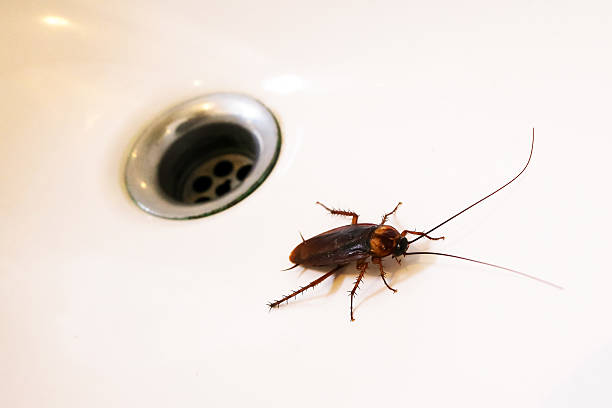
Cockroaches in the sink. The Cockroaches on the sink in the bathroom. cockroaches stock pictures, royalty-free photos & images

Pest infestations can cause significant stress, health risks, and damage to your home. Effectively stopping a pest invasion requires a combination of proactive prevention, immediate action, and professional intervention when necessary. Below are expert tips and proven solutions that can help protect your home from unwanted pests.

Identify the Source of the Infestation

Before taking any action, it is crucial to determine the source of the infestation. Look for:
– Entry points such as cracks in walls, broken windows, or gaps around doors.
– Areas with high moisture levels like basements or under sinks.
– Food sources left exposed, such as crumbs on floors or improperly sealed food containers.

By identifying where pests are entering and what’s attracting them, you can develop a targeted approach to stop the problem at its root.

Maintain a Clean Environment

A clean home is less inviting to pests. Focus on:
Proper Food Storage: Store food in airtight containers to prevent access for rodents and insects.
Regular Cleaning: Sweep floors, vacuum carpets, and clean kitchen counters daily to remove crumbs and spills.
Trash Management: Dispose of garbage frequently and use sealed bins both indoors and outdoors.

Seal All Possible Entry Points

Exclusion is one of the most effective ways to stop pests from invading your home. Take these steps:
1. Inspect walls, windows, doors, roofs, attics, and crawl spaces for gaps or openings.
2. Use caulk or steel wool to seal small cracks or holes that rodents could use as entryways.
3. Install weather stripping around doors and windows if needed.

Use Natural Deterrents Where Possible

For those seeking eco-friendly methods:
– Citrus peels repel cockroaches naturally due to their strong scent. Place them in areas prone to infestation. – Essential oils such as peppermint oil can deter ants or spiders when diluted with water and sprayed along baseboards. – Vinegar mixed with water can wipe away ant trails while removing their pheromones.

Know When To Call Professionals

For severe infestations that cannot be managed using DIY methods alone (e.g., termites damaging structural wood), engaging a licensed pest control service is essential: Benefits include: – Expertise in identifying hard-to-find nests. – Use specialized equipment less likely accessible domestic

Common Signs That Mean You Need Exterminators in Florida for Pest Infestations

1. Physical Evidence of Pests

  • Droppings: One of the most apparent signs is pest droppings. Rodents, cockroaches, and other pests leave behind fecal matter that can often be found near food sources or hidden areas.
  • Chewed or Gnawed Items: Rats and mice tend to chew through wires, furniture, and packaging materials.
  • Dead Insects: Accumulations of dead insects near windowsills or light fixtures can indicate an infestation.

2. Unusual Noises

  • Scratching or scurrying sounds within walls, ceilings, or floors often point to rodent activity.
  • Buzzing noises near windows could indicate the presence of flying insects such as bees or wasps.

3. Unpleasant Odors

  • A strong musty smell might indicate an ongoing rodent infestation.
  • Cockroach infestations are often accompanied by oily or foul odors due to their secretions.

4. Structural Damage

Pests such as termites and carpenter ants can cause noticeable physical damage to wood structures: – Hollow-sounding wood – Cracked paint on walls – Tiny holes in wooden surfaces

Pest Type Common Damage Likely Location
Termites Wood damage; hollowed-out furniture Foundation, attics
Rodents Chewed wires; gnawed baseboards Kitchens, basements
Carpenter Ants Internal structural wood damage Damp areas like bathrooms


Effective Steps for Pest Removal Services in Florida

If you suspect a pest problem based on these indicators: 1. Inspect your home thoroughly by focusing on dark corners, basements, attics, and unused spaces. 2. Look for entry points such as cracks in walls, gaps under doors, and broken window screens. 3. Monitor high-risk areas like kitchens where food is stored.

By recognizing these signs early on and addressing them swiftly with appropriate actions – whether through professional pest control services or DIY solutions – you limit potential damage while ensuring your home remains safe for your family.

Identifying Common Signs of Infestations with a Florida Pest Control Service

Recognizing the early signs of a pest infestation in your home is crucial for addressing the issue before it escalates. Pests can cause structural damage, contaminate food, and pose health risks to occupants if left unchecked. Below are some common indicators of pest activity to watch out for, categorized by type.

1. Physical Evidence Left by Pests

  • Droppings: Small fecal droppings are one of the most common signs. For instance:
    • Rodent droppings are small, dark pellets.
    • Cockroach droppings resemble coffee grounds or black pepper.
  • Gnaw Marks: Chewed wires, furniture, or food packaging often point to rodents. Look for fresh marks that may indicate current activity.
  • Shed Body Parts: This includes discarded wings from termites or casings from bedbugs.

2. Strange Noises

  • Scratching or tapping sounds, especially at night, could indicate the presence of pests like mice, rats, or squirrels in walls or attics.
  • A faint rustling sound might suggest insect activity such as cockroaches.

3. Unusual Odors

Pests often leave behind distinct smells: – A musty odor could signal bedbugs or cockroach infestation. – Ammonia-like smells often accompany rodent urine. – Decaying odors may indicate a dead pest trapped inside walls or crawl spaces.

4. Structural Damage

Visible damage to your home can be a clear indicator of pest presence: – Termites: Hollow-sounding wood when tapped and small pinholes in walls and furniture signal termite damage. – Rodents: Chewed insulation, baseboards, and electrical wiring serve as warning signs.

Pest Type Common Structural Damage Other Signs
Termites Hollow wood structures Mud tubes near foundation
Rodents Gnawed electrical wires Holes in pantry items
Carpenter Ants Wood shavings near entry points Large ant presence indoors

5. Nesting Materials

Look out for: – Shredded paper, fabric scraps, leaves, or insulation material that pests use to create nests. – Nests often appear in hidden areas such as attics or behind appliances.

6. Pest Sightings

Spotting live pests during the day may signify a severe infestation because many pests are nocturnal: – Seeing cockroaches during daylight hours could mean overcrowding within hidden areas. – Frequent sightings of ants indoors might require identifying their source trail.

Effective Tips for Early Pest Removal Detection

  • Regularly inspect areas prone to pest activity such as basements, attics, kitchens, and bathrooms.
  • Seal any cracks or gaps around windows and doors where pests might enter your home.
  • Monitor food storage areas for signs of contamination like tiny gnaw marks on boxes.

By paying attention to these signs and acting promptly upon discovery, you can significantly reduce the likelihood of an infestation worsening while maintaining the safety and comfort of your living environment.

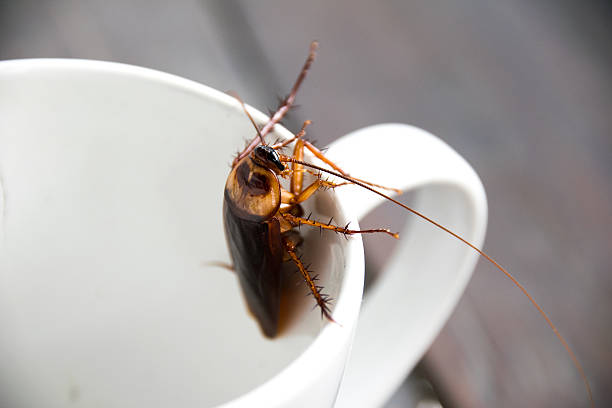
Close up cockroach in mouth white cup Close up cockroach in mouth white cup cockroaches stock pictures, royalty-free photos & images

Most Common Household Pests, Their Behaviors, and How to Deal with Them

Understanding the most common household pests and their behaviors is critical for effective pest management. Each pest comes with unique traits, survival tactics, and challenges that homeowners need to address. Below is a detailed overview of some frequent invaders, their habits, and strategies for managing them.

1. Cockroaches

Behavior:
– Thrive in warm, dark, and damp environments.
– Nocturnal creatures that typically hide during the day.
– Feed on almost anything – from food scraps to cardboard and glue.

How to Deal with Them:
Prevention: Seal cracks, eliminate food sources by cleaning spills promptly, store food in airtight containers.
Control Methods: Use bait stations or gel baits near common hiding spots such as under sinks or behind appliances. Boric acid can also be an effective treatment but must be used cautiously around pets and children.

2. Rodents (Mice and Rats)

Behavior:
– Known for gnawing through materials like wood, wires, or plastic to access food or nest sites.
– Spread diseases through droppings and urine contamination.
– Highly adaptable and capable of fitting through very small openings.

How to Deal with Them:
Prevention: Block entry points; seal gaps in walls or around pipes with steel wool or caulk. Keep garbage sealed tightly.
Control Methods: Traps (snap traps for quick elimination or live traps for humane removal) are effective options. Poison baits should only be used as a last resort due to safety concerns.

Rodent Control Methods Advantages Disadvantages
Snap Traps Quick results May require frequent resets
Live Traps Humane option Requires relocation effort
Poison Baits Can control large populations Risky if misused

3. Ants

Behavior:
– Ant colonies send scouts in search of food sources; once located, they leave pheromone trails for others to follow.
– Common species include carpenter ants (which damage wood) and sugar ants (which invade kitchens).

How to Deal with Them:
Prevention: Keep counters clean of crumbs and spills; store sugary items securely. – Control Methods: Identify the ant species first—use bait stations designed specifically for the type of ant you’re dealing with since different species have varied diets (e.g., protein-based vs sugar-based). Wipe down surfaces with vinegar or lemon juice to disrupt pheromone trails.

4. Termites

Behavior:
– Silent destroyers that feed on cellulose found in wood structures. – Often go undetected until significant damage is done.

How to Deal with Them:Prevention: Regularly inspect wooden structures for signs of damage like hollow sounds when tapped or maze-like patterns on surfaces. – Control Methods: Professional intervention is often required due to their destructive nature. Termite bait systems or liquid termiticides can provide long-term relief.

5. Bed Bugs

Behavior: – Feed exclusively on blood; active at night. – Hide within mattresses, furniture crevices, baseboards, or behind wall hangings.

How to Deal with Them:Prevention: Launder bedding frequently at high temperatures; avoid bringing secondhand furniture into your home without inspection. – Control Methods: Vacuum thoroughly around sleeping areas; use bed bug-proof encasements on mattresses and box springs. For severe infestations, professional treatments such as heat remediation may be necessary.

Addressing household pests promptly reduces health risks while preventing structural damage over time by curbing infestations before they worsen.

Essential Steps a Pest Control Company Recommends When You Discover a Pest Problem

Dealing with a pest problem requires swift and deliberate action to prevent the situation from escalating. Once you notice signs of a pest infestation, taking immediate steps can help mitigate damage to your property and protect the health of everyone in your household. Below are essential actions you should take when encountering pests in your home.

1. Identify the Type of Pest

  • Look for physical evidence such as droppings, nests, or visible insects.
  • Note any unusual sounds (e.g., scurrying in walls) or odors.
  • Research online or contact an expert if you’re unsure.

Understanding which pest you’re dealing with will guide you toward the most effective treatment options.

2. Contain the Infestation

  • Seal off affected areas: Use caulk or weatherstripping to close gaps around windows, doors, and baseboards.
  • Isolate food sources: Store all food items in airtight containers and avoid leaving food uncovered.
  • Limit access to water: Fix leaks and ensure all sinks and drains remain dry.

By cutting off access points, food, and water sources, you make your home less attractive to pests.

3. Document Evidence of Infestation

Evidence Type Examples
Physical Evidence Droppings, chewed materials
Visual Sightings Live pests or dead specimens
Environmental Signs Damaged wood (termites), grease trails (rodents)

Photograph any damage caused by pests as this information may also be useful for insurance claims.

4. Perform Immediate Cleaning

  • Vacuum floors thoroughly to remove droppings, eggs, or live pests.
  • Wipe down counters and surfaces using disinfectants.
  • Remove any clutter where pests might hide or nest.

Cleaning not only addresses current problems but also discourages future infestations by eliminating enticing hiding spots.

5. Set Basic Traps or Barriers

Examples:Rodents: Snap traps or glue traps placed along walls. – Insects: Sticky pads for cockroaches; flypaper for flying insects.

Ensure traps are placed strategically based on where activity has been observed (e.g., near entry points).

6. Assess Whether Professional Help Is Needed

  • The infestation is widespread across multiple rooms.
  • Harmful pests like termites or bed bugs are involved.
  • Previous control measures have failed.

Consulting certified pest control professionals ensures you receive targeted treatments that address both current problems and potential future risks.

Taking these immediate actions can significantly reduce damage caused by pests while improving overall safety within your home environment. Clear documentation coupled with proactive containment measures lays the groundwork for long-term solutions against infestations.

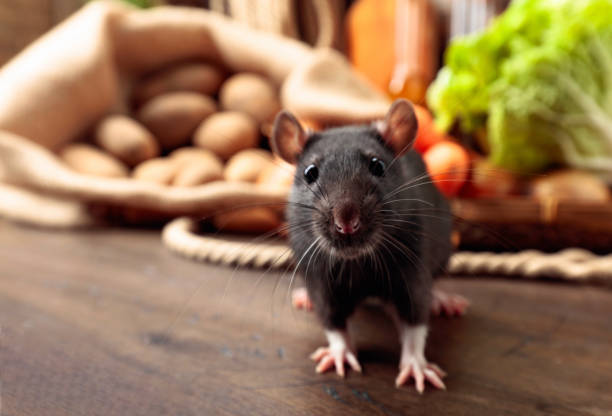
Rat on a wooden table with vegetables and kitchen utensils. Rat on a old wooden table with vegetables and kitchen utensils. rodents stock pictures, royalty-free photos & images

Comprehensive Strategies for Managing Different Types of Pests Effectively

Pests come in various forms, and each type requires tailored strategies to address and manage them effectively. A one-size-fits-all approach often falls short because different pests exhibit unique behaviors, habitats, and vulnerabilities. Below is a comprehensive breakdown of proven strategies to manage various types of pests.

Identifying the Pest Type

  • Insects: Ants, cockroaches, flies, bedbugs
  • Rodents: Mice and rats
  • Arachnids: Spiders
  • Other Pests: Termites, fleas, or stinging insects like wasps

Each category demands its own plan of action based on behavior and habitat.

Tailored Approaches for Different Pests

  1. Seal cracks and crevices around windows, doors, or walls to eliminate entry points.
  2. Use baits specifically designed for the insect species (e.g., ant bait gels or cockroach traps).
  3. Maintain cleanliness in areas where food is stored or prepared to reduce attractants.
  4. Install snap traps or humane catch-and-release traps along walls where rodents travel.
  5. Block potential entry points with steel wool or caulking since rodents can squeeze through tiny gaps.
  6. Remove sources of food by securing trash bins with tight lids.
  7. Conduct regular inspections for mud tubes or damaged wood around your home’s foundation.
  8. Use liquid termiticides or baiting systems to eliminate colonies.
  9. Consider professional treatment options if infestations are extensive.
  10. Reduce clutter in basements or attics where spiders tend to hide.
  11. Vacuum regularly to remove webs and egg sacs.
  12. Install screens on windows and doors as a barrier against spider entry.
  13. Avoid swatting at nests; instead, call professionals for removal if nests are large.
  14. Use wasp sprays that target individuals near nest sites.
  15. Keep sugary drinks sealed outdoors during peak seasons.
  16. Wash bedding regularly in hot water if dealing with bedbugs.
  17. Vacuum carpets thoroughly to eliminate flea eggs from deep fibers.
  18. Apply diatomaceous earth as a non-toxic solution for both pests.

Preventative Measures for Long-Term Pest Control

  • Regularly inspect homes for signs of infestation before they escalate.
  • Store food in airtight containers to deter pests like ants and rodents.
  • Trim bushes and trees away from walls to limit access points for crawling insects like termites.
Pest Type Key Indicators Primary Control Methods
Ants Visible trails indoors Bait traps; seal entry points
Rodents Droppings/gnaw marks Traps; block openings
Termites Hollow-sounding wood Termiticides; professional services
Bedbugs Bites on skin/blood stains Wash bedding; vacuum infected areas

When Professional Help Is Necessary

While DIY methods can work effectively for minor infestations, certain cases call for professional assistance: – Severe termite damage requiring fumigation – Large rodent populations indicating systemic issues – Stinging insect nests located in hard-to-reach places

Professional exterminators bring expertise along with tools like heat treatment systems or advanced bait techniques that go beyond standard DIY capabilities.

By employing both targeted actions based on pest type and preventative measures across your property, you can ensure long-term protection against unwanted intruders while maintaining a healthy living environment.

Comprehensive Strategies for Managing Different Types of Pests Effectively

Successfully managing pests requires a combination of preventive measures, targeted interventions, and ongoing monitoring. Different types of pests—ranging from insects to rodents—have distinct behaviors and vulnerabilities that necessitate tailored strategies. Below is an outline of comprehensive methods for managing various pests effectively.

1. Preventive Measures

  • Use caulk or weatherstripping to seal cracks around doors, windows, and other entry points.
  • Install door sweeps and repair damaged screens.
  • Store food in airtight containers to prevent access by pests like ants or cockroaches.
  • Clean up crumbs, spills, and food debris promptly.
  • Regularly vacuum carpets and clean surfaces where food may be present.
  • Dispose of garbage frequently in tightly closed bins.

2. Targeted Pest Management Strategies

Pest Type Behavior Characteristics Management Strategy
Cockroaches Nocturnal; hide in dark, moist areas Use bait traps; apply gel baits near hiding spots; reduce moisture levels.
Ants Social insects; follow scent trails Place ant baits along trails; eliminate attractants like sugar or grease.
Rodents Gnawers; build nests in hidden areas Use snap traps or electronic traps; seal holes larger than ¼ inch.
Mosquitoes Breed in stagnant water; active at dusk Eliminate standing water sources; use insect-repellent sprays or nets.
Termites Feed on wood structures Apply liquid termiticides around foundations; consider professional fumigation.

3. Integrated Pest Management (IPM) Approach

IPM is a sustainable strategy that combines biological, cultural, mechanical, and chemical tools to control pest populations effectively while minimizing risks to humans and the environment.

  • Introduce natural predators like ladybugs for aphid control.
  • Use nematodes to target soil-dwelling pests such as grubs.
  • Rotate crops (for agricultural settings) to disrupt pest lifecycle patterns.
  • Maintain proper drainage around properties to deter moisture-loving pests.
  • Set up physical barriers such as screens or fences.
  • Use sticky traps for crawling insects.
  • Apply pesticides sparingly and only when necessary.
  • Opt for eco-friendly insecticides wherever possible.

4. Monitoring & Maintenance

  • Conduct regular inspections of potential problem areas, such as basements, attics, and kitchens.
  • Utilize monitoring tools like glue boards or pheromone traps to track activity levels over time.
  • Stay vigilant during seasonal changes when certain pests become more active (e.g., ants in spring).

By combining preventive practices with targeted strategies tailored for specific pests—and remaining consistent with maintenance efforts—you can significantly reduce the risk of infestation over time. The proactive integration of various approaches ensures long-term success in managing different types of pests effectively while maintaining a safe living environment.