May 2026

How a Pest Control Company Can Help Protect Your Home and Health

Hand holding Cockroach on kitchen background, eliminate cockroach in kitchen Hand holding Cockroach on kitchen background, eliminate cockroach in kitchen,Cockroaches as carriers of disease cockroaches removal stock pictures, royalty-free photos & images

Pest prevention plays a critical role in maintaining both the structural integrity of your home and the health of its occupants. By being proactive, you can avoid the significant costs associated with repairing pest damage and treat illnesses linked to infestations. Here’s why pest prevention should be a priority for every household.

Protecting Your Home

  • Termites: These wood-destroying insects silently eat away at your home’s structure, often leading to costly repairs if left untreated.
  • Rodents (e.g., rats, mice): Rodents not only chew through walls, insulation, and wiring but also increase the risk of electrical fires due to damaged wires.
  • Insects like ants or roaches: These pests can infest food supplies or leave behind unsanitary conditions that require deep cleaning or replacement of materials.

Incorporating preventive measures ensures that these issues are addressed before they escalate into larger problems.

Safeguarding Health

  • Mosquitoes are known carriers of malaria, dengue fever, and West Nile virus.
  • Rodents spread diseases such as hantavirus and leptospirosis through their droppings or urine.
  • Allergic reactions: Dust mites, cockroaches, and even certain insect bites can trigger allergies or asthma symptoms in sensitive individuals.

Preventive actions eliminate breeding grounds for these pests, minimizing exposure to these harmful effects.

Cost-Effectiveness of Prevention vs Treatment

  1. Reduced reliance on extermination services: Preventative measures help avoid frequent visits from pest control professionals.
  2. Savings on structural repairs: Early action prevents pests like termites or rodents from causing widespread damage.
  3. Lower medical costs: Fewer pest-related illnesses mean reduced visits to healthcare providers or purchase of medications.
Scenario Estimated Expense
Routine pest prevention (yearly) $100–$300 per year
Treating termite infestation $500–$3,000+ per incident
Repairing rodent-damaged wiring $1,000–$4,000+

Investing in prevention upfront offers long-term monetary savings while protecting your peace of mind.

Key Steps for Pest Prevention

  • Sealing all cracks and gaps in doors, windows, walls, and foundations.
  • Ensuring proper sanitation by keeping kitchens clean and free from food crumbs.
  • Regularly inspecting outdoor spaces for standing water where mosquitoes may breed.
  • Storing food in airtight containers to deter rodents or insects.

These habits not only help maintain a clean environment but also act as strong deterrents against various pests.

Taking preventive measures today ensures protection against future infestations while safeguarding both your property value and personal well-being for years to come.

How Florida Pest Control Helps Prevent Pests Before They Become a Problem

Preventing pests from invading your home is a proactive approach that offers numerous advantages compared to dealing with infestations after they occur. By investing time and resources into prevention, homeowners can safeguard their property, maintain health standards, and reduce long-term costs associated with pest control. Below are the key benefits of focusing on pest prevention.

https://palmbaypestcontrol.wixsite.com/pestcontrolcompany

Cost-Effectiveness

  • Lower Treatment Costs: Regular maintenance, such as sealing cracks or installing barriers, often costs less than extermination services.
  • Reduced Structural Repair Expenses: Certain pests, like termites or rodents, can cause extensive damage to walls, foundations, and wiring. Prevention mitigates these risks early on.
  • Minimized Health Costs: Pests can carry diseases that lead to medical expenses. Keeping them out of your home reduces these risks.

Health Protection for You and Your Family

  • Disease Transmission: Pests such as rodents, cockroaches, and mosquitoes are vectors for diseases like salmonella, hantavirus, and malaria.
  • Allergies and Asthma Triggers: Pest droppings and shed skin particles can exacerbate asthma symptoms or cause allergic reactions in sensitive individuals.
  • Food Contamination: Rodents and insects can contaminate food supplies with harmful bacteria.

By preventing infestations outright, families can enjoy a healthier living environment free of such hazards.

Reduced Stress and Anxiety

  • Eliminate the need for emergency pest control services.
  • Provide peace of mind knowing your home is secure from common pests like ants or bed bugs.
  • Simplify household management by reducing the need for ongoing deep cleaning associated with pest issues.

Environmental Benefits of Prevention

Prevention Strategy Environmental Impact
Sealing cracks in walls Reduces reliance on pesticides
Proper waste management Limits breeding grounds
Using natural repellents (e.g., essential oils) Avoids introducing toxins into ecosystems

By focusing on prevention methods like these, you can reduce your ecological footprint while maintaining a pest-free space.

Longevity of Property Value

  • Protect wooden structures from termites.
  • Avoid unsightly stains or odors caused by pests.
  • Preserve landscaping by deterring outdoor pests such as moles or grubs.

Investing in preventative care ensures that your home remains both functional and marketable over time.

Summary Checklist for Preventive Action

  1. Regularly inspect your property for signs of potential vulnerabilities (e.g., gaps around windows).
  2. Keep food stored in airtight containers to deter insects like ants or pantry moths.
  3. Ensure proper ventilation in basements or attics to avoid moisture buildup that attracts pests.
  4. Use screens on windows and vents as physical barriers against flying insects.
  5. Schedule annual pest inspections with professionals for early detection.

Taking preventive steps ensures that you avoid the challenges posed by established infestations while protecting your home’s value, health standards, and overall comfort level effectively over time.

Why Exterminators in Florida Recommend Preventing Pests Before Infestations Start

1. Cost-Efficiency

Dealing with an established infestation often requires expensive treatments, repairs, and potential replacements of damaged structures or belongings. Preventative measures, on the other hand, are typically low-cost and focus on minimizing risks early.

  • Regular home inspections and maintenance
  • Investing in weatherproof seals or mesh screens for entry points
  • Using pest-repellent plants in outdoor spaces

By spending small amounts incrementally on prevention, homeowners avoid the larger financial burden of eradicating pests after they’ve caused significant damage.

2. Protection for Your Home

Pests can cause serious structural damage to a house if left unchecked. Termites may weaken wooden foundations, rodents might chew through electrical wiring causing fire hazards, and certain insects can destroy furniture or stored goods. Prevention ensures the integrity of your property remains intact.

Pest Potential Damage Prevention Tip
Termites Weakening wooden beams and structural supports Regular termite inspections
Rodents Chewing insulation and wires Seal cracks around walls
Cockroaches Contamination of food supplies Keep food storage areas clean

3. Safeguarding Human Health

  • Mosquitoes transmit illnesses such as dengue fever or malaria.
  • Rodents spread hantavirus through droppings.
  • Cockroach allergens can trigger asthma attacks in sensitive individuals.

Preventive approaches like addressing standing water (to eliminate mosquito breeding grounds) or using rodent-proof storage containers significantly reduce these health risks.

4. Reduced Environmental Impact

Proactive pest control minimizes the need for harsh chemical treatments that are often required to eliminate advanced infestations. This not only reduces environmental pollution but also protects beneficial organisms—such as pollinators—from unintended harm during pesticide use.

  • Utilizing natural deterrents like diatomaceous earth or essential oils
  • Adopting integrated pest management (IPM) practices
  • Encouraging biodiversity in gardens to attract natural predators like birds or ladybugs

5. Peace of Mind

Knowing your home is protected against pest invasions brings long-term peace of mind for you and your family. Proactive measures mean fewer sleepless nights worrying about creepy crawlers invading your space or dealing with sudden outbreaks that disrupt daily life.

In summary, preventing pests before they establish themselves provides financial savings, protects property value, minimizes health hazards, reduces harm to the environment, and fosters a sense of security at home—all while requiring less effort than battling large-scale infestations later on.

Effective Pest Removal Services in Florida to Seal Entry Points and Protect Your Home

Preventing pests from entering your home starts with properly sealing potential entry points. Many pests, including rodents, insects, and spiders, can exploit even the smallest gaps or openings to gain access. By addressing these vulnerabilities, you can significantly reduce the likelihood of infestations while maintaining a safe and clean living environment.

Common Entry Points for Pests

  • Doors and Windows: Gaps around doors and improperly sealed windows provide easy entry for pests.
  • Cracks in Walls: Small openings in walls or around foundations serve as pathways for bugs and small animals.
  • Utility Openings: Areas where pipes, cables, or wires enter your home often have unsealed spaces.
  • Vents: Attic vents, dryer vents, and chimney openings are common gateways for pests like rodents or birds.
  • Roofing Issues: Loose shingles or damaged soffits allow larger pests like squirrels to enter.

Steps to Seal Entry Points

  1. Install weatherstripping or door sweeps to close gaps beneath doors.
  2. Repair broken window screens or replace them with fine mesh screens that block even small insects.
  3. Use caulk to seal gaps around window frames.
  4. Inspect your home’s exterior foundation for cracks or holes.
  5. Seal minor cracks with silicone-based caulk; fill larger gaps using expanding foam insulation.
  6. Apply caulk or foam sealant around pipes, wires, and other utility penetrations.
  7. Install metal mesh covers over outdoor vents to prevent rodent access while maintaining air circulation.
  8. Fix loose shingles promptly to avoid providing a nesting area for birds or rodents.
  9. Use hardware cloth with small openings (¼ inch) over attic vents.
  10. Ensure garage doors close tightly without leaving gaps at the bottom.

Materials Needed for Sealing

Material Application Area Benefits
Silicone Caulk Cracks in walls/windows Durable, waterproof
Expanding Foam Large holes/gaps Fills irregular spaces
Weatherstripping Doors/windows Prevents drafts & pest entry
Hardware Cloth Vents/attic spaces Resistant against gnawing

Additional Prevention Tips

To complement sealing efforts, consider the following measures: – Trim back vegetation near your home’s foundation to reduce pest hiding spots. – Regularly inspect your home’s exterior for new cracks or damage. – Keep outdoor trash bins sealed tightly as garbage can attract pests near entry points.

By effectively sealing these vulnerabilities in your living space, you create a strong barrier that deters unwanted intrusions from various types of pests. This proactive method not only minimizes infestation risks but also contributes to maintaining a healthier indoor environment year-round.

Pest control worker spraying pesticide around furniture indoors, closeup Pest control worker spraying pesticide around furniture indoors, closeup cockroaches removal stock pictures, royalty-free photos & images

Effective Florida Pest Control Service: Sealing Entry Points to Keep Unwanted Pests Out

Effective pest prevention begins with ensuring that your home is properly sealed to prevent pests from entering in the first place. Pests are resourceful and can exploit even the tiniest gaps or cracks. By addressing potential entry points, you can significantly reduce the risk of infestations.

Common Entry Points for Pests

To successfully seal your home, it’s important to identify where pests are most likely to gain access. Here are some common areas to inspect:
Doors and windows
– Gaps under doors or around frames
– Torn window screens or loose fittings
Cracks and crevices
– Foundation cracks or openings in walls
– Gaps around utility lines, such as plumbing, electrical wiring, or HVAC systems
Vents and chimneys
– Uncovered vents used for attic ventilation or dryer exhausts
– Chimneys without proper caps

Steps to Seal Entry Points

  1. Inspect your home thoroughly: Perform both interior and exterior inspections of your living space. Pay close attention to areas near the ground level and roofline.
  2. Seal gaps under doors: Use weather stripping for exterior doors and install door sweeps where necessary. This helps eliminate gaps that could allow pests like ants, cockroaches, or rodents inside.
  3. Repair damaged screens: Replace window screens with holes or tears immediately. Consider using fine mesh screens for added protection against small insects like mosquitoes and gnats.
  4. Fill cracks in walls and foundations: Inspect brickwork, concrete foundations, and siding for cracks or holes. Use caulk, mortar, or expanding foam depending on the material being repaired.
  5. Cover vents and chimneys: Install mesh covers over air vents while maintaining airflow functionality; use chimney caps to deter birds, squirrels, or bats.

Benefits of Sealing Entry Points

Benefit Description
Reduced Pest Infestation Limits access opportunities for common household pests like spiders & bugs
Improved Energy Efficiency Helps reduce drafts while optimizing indoor temperature control
Lower Long-Term Maintenance Prevents structural damage caused by rodents chewing through materials

Additional Tips for Long-Term Effectiveness

  • Trim tree branches that touch roofs; they act as a bridge for pests like squirrels.
  • Repair leaky pipes promptly since moisture attracts many pests.
  • Ensure your home’s exterior drainage system directs water away from the foundation.

By diligently sealing entry points into your living spaces and maintaining these solutions over time, you can create an environment that is far less inviting for unwelcome pests while safeguarding your property effectively.

Effective Pest Removal Tips Through Proper Waste Management Practices at Home

Effective waste management is one of the most critical strategies for preventing pest infestations in and around your home. Many pests, such as rodents, cockroaches, ants, and flies, thrive in environments where food waste, clutter, or improper disposal methods are present. By following proper waste management practices, you can reduce the likelihood of attracting these unwanted guests.

Why Waste Management Matters

Pests are primarily attracted to food sources and shelter. Improperly handled waste offers both of these in abundance. Rotting food emits strong odors that lure pests from outside into your home. Once they find an accessible food source, pests may decide to settle and multiply within your living spaces.

Key Waste Management Practices for Pest Prevention

  • Use Sealed Trash Bins:
    Ensure all indoor trash bins have tight-fitting lids to prevent pests like flies and rodents from accessing the contents.
  • Dispose of Food Waste Promptly:
    Avoid letting organic waste sit in kitchen bins for too long. Empty trash containing food scraps daily or as soon as it begins to accumulate.
  • Clean Trash Areas Regularly:
    Whether it’s indoors under the sink or outdoor garbage collection points, clean these areas frequently to remove spills or debris that may attract pests.
  • Segregate Waste Properly:
    Separate recyclables from organic waste, and store recyclables (like bottles and cans) only after rinsing them thoroughly. Leftover residues can still attract small insects like ants or gnats.
  • Compost Cautiously:
    While composting is an eco-friendly option for organic waste disposal, avoid leaving compost piles uncovered or too close to your home. Use secure compost bins with lids designed to keep animals out.

Indoor Waste Management Checklist

Task Frequency
Empty kitchen trash Daily
Wipe down trash bin interiors Weekly
Seal food containers properly Ongoing
Dispose of expired food items Weekly

Outdoor Waste Management Strategies

Outdoor areas also require careful attention when managing household garbage. Pests often use outdoor spaces as entry points into homes if garbage is left unattended or poorly managed.

  • Store outdoor trash cans away from doors and windows.
  • Keep lids on outdoor bins tightly closed at all times.
  • Schedule timely pickups for large yard debris or bulky waste items such as furniture scraps.
  • Avoid piling up firewood near walls—pests like termites may use it as a bridge into your home.

Signs That Your Current Practices May Need Adjustment

  1. Persistent foul odors near trash disposal points.
  2. Noticing pests such as flies gathering around bins despite regular emptying.
  3. Discovering torn garbage bags caused by scavenging animals like raccoons or rodents.

By addressing problem areas promptly and refining how you handle household waste disposal systems over time, you can achieve a cleaner environment that leaves little opportunity for pests to thrive.

Integrated Pest Management (IPM): A Holistic Approach to Controlling Pests

Integrated Pest Management (IPM) is a comprehensive strategy designed to address pest issues in an effective, environmentally sensitive way. By combining multiple control methods and emphasizing prevention, IPM minimizes reliance on chemical treatments while achieving long-term pest control. Below is an exploration of the principles and key components of IPM.

Core Principles of Integrated Pest Management

  • Prevention: The cornerstone of IPM is preventing pests from becoming a problem. This includes proactive measures like sealing entry points, maintaining hygiene, and addressing conducive conditions that attract pests.
  • Monitoring: Regular inspections and monitoring help identify pest presence, activity levels, and trends over time. This allows for informed decision-making about control measures.
  • Thresholds: Rather than aiming for complete eradication, IPM focuses on maintaining pest populations below levels that pose risks to human health or property damage.
  • Control Methods: Prioritizing non-chemical solutions first—such as biological controls or mechanical barriers—before resorting to chemical interventions when necessary.

Key Components of an Effective IPM Program

  1. Conduct regular inspections indoors and outdoors to assess potential issues.
  2. Correctly identify the species causing problems to tailor appropriate intervention strategies.
  3. Modify environmental factors such as moisture levels or food sources to make areas less hospitable for pests.
  4. Practice proper lawn care or landscaping techniques that deter outdoor pests.
  5. Use traps, barriers, or physical removal methods where practical.
  6. Install window screens, door sweeps, and caulk cracks or crevices that may serve as entry points.
  7. Introduce beneficial predators (e.g., ladybugs for aphid control) or pathogens specifically targeting certain pest species.
  8. Apply pesticides judiciously and in targeted locations based on monitoring results.
  9. Follow label instructions carefully to mitigate risks to non-target organisms and the environment.

Benefits of Adopting an IPM Approach

Benefit Explanation
Eco-Friendly Reduces the use of harmful chemicals harmful to ecosystems and biodiversity
Long-Term Effectiveness Focuses on root causes rather than temporary fixes
Cost Efficient Preventative actions minimize costly eradication efforts
Healthier Living Spaces Limits exposure to toxic pesticides while reducing disease-carrying pests

Implementation Tips for Homeowners

  • Start by keeping records of pest sightings or activity patterns over time.
  • Educate yourself about common pests in your region and their behaviors.
  • Collaborate with local professionals who specialize in IPM if additional expertise is required.

By using Integrated Pest Management practices effectively, you can create safer environments for your family while contributing positively toward sustainability goals through reduced pesticide dependency.

When to Call a Professional Exterminator for Persistent Pest Problems

Dealing with pests can be frustrating, especially when DIY efforts and preventative measures fail to resolve the issue. Knowing when to call a professional exterminator is essential to protect your home, health, and sanity. Below is a guide on identifying persistent pest problems and understanding why professional assistance may be necessary.

Signs You Need a Professional Exterminator

  1. If pests return despite multiple DIY treatments, the root cause may not have been addressed effectively.
  2. Professional exterminators use advanced techniques to identify hidden nests or breeding grounds that are often overlooked.
  3. Evidence of gnawed wood, chewed wires, or damaged insulation suggests pests like termites or rodents may be causing harm behind walls or in attics.
  4. Early intervention by experts can save costly repairs down the line.
  5. Pests such as cockroaches and rodents can trigger allergies, asthma attacks, or spread diseases through droppings and urine.
  6. Stinging insects like wasps pose immediate safety risks for individuals allergic to their venom.
  7. If nocturnal creatures such as rodents are active during the day, it may indicate an overpopulation problem.
  8. Seeing large numbers of pests during daylight hours is often a sign of severe infestation.

Benefits of Calling a Professional

  • Accurate Identification: Professionals can correctly identify the species of pest affecting your property, which influences treatment techniques.
  • Customized Solutions: They design targeted treatment plans that consider environmental factors specific to your home.
  • Advanced Techniques: Use of specialized tools like thermal imaging cameras for detecting hidden nests or colonies ensures thorough resolutions.
  • Long-Term Results: Most exterminators provide follow-up services and preventive advice tailored for your situation.

Common Situations Requiring Expertise

Pest Problem Why an Expert Is Needed
Bed Bug Infestation Bed bugs are resistant to many over-the-counter treatments; professionals use heat treatments or pesticides unavailable in stores.
Termite Activity Termites often go unnoticed until significant damage has occurred; experts detect early signs using advanced technology.
Large Rodent Populations DIY traps may manage individual rodents but are ineffective against large-scale infestations.
Stinging Insect Nests Removing bee hives or wasp nests without proper equipment puts you at risk.

Choosing the Right Exterminator

  • Verify their licensing and certifications with regulatory agencies.
  • Ask about their methods to ensure they align with environmentally friendly practices if this concerns you.
  • Request a warranty or guarantee on services provided.

By consulting with professionals when necessary, you safeguard both your living environment and peace of mind from prolonged pest-related challenges.


Key Differences Between Florida Pest Control Experts and Exterminators

Cockroaches and dirty dishware in sink indoors, above view. Pest control Cockroaches and dirty dishware in sink indoors, above view. Pest control cockroaches removal stock pictures, royalty-free photos & images

When it comes to managing pests, many people use the terms “exterminator” and “pest control professional” interchangeably. However, these two roles differ significantly in their approach, methodologies, and long-term effectiveness. Understanding these differences can help you make an informed decision when dealing with a pest problem.

The Role of an Exterminator

Exterminators are often focused on one goal: eliminating pests quickly and completely. This approach typically involves the use of strong pesticides or chemicals to eradicate infestations as fast as possible. While this may solve immediate issues, it often overlooks long-term prevention or addressing the root causes of the infestation.

Key Characteristics of Exterminators:
  • Primary Focus: Short-term elimination of pests.
  • Methods: Use of chemical treatments, often in higher concentrations.
  • Approach: Reactive—addressing existing problems rather than preventing future ones.
  • Effective Tools and Techniques for Pest Removal Services in Florida: Heavy reliance on pesticides with minimal emphasis on comprehensive pest management solutions.

This method is particularly useful in cases where infestations are already severe or need immediate attention. However, it may not always provide sustainable results.

The Role of a Pest Control Professional

Pest control professionals take a more holistic view when addressing pest issues. Their approach combines prevention, monitoring, and environmentally sensitive methods to manage and reduce pest populations over time. Instead of solely relying on chemicals, they often focus on identifying the root cause of infestations and implementing customized solutions to prevent recurrence.

Key Characteristics of Pest Control Professionals:
  • Primary Focus: Long-term pest management and prevention.
  • Methods: Integrated Pest Management (IPM), which includes non-chemical options like habitat modification and exclusion techniques.
  • Approach: Proactive—emphasizing ongoing monitoring and preventive strategies alongside treatment.
  • Tools and Techniques: A combination of eco-friendly products, traps, sealing entry points, and regular inspections.

This approach not only addresses current issues but also reduces the likelihood of future infestations while minimizing environmental impact.

Comparing Exterminators vs. Pest Control Professionals

Feature Exterminator Pest Control Professional
Primary Goal Immediate elimination Long-term prevention & management
Approach Reactive Proactive
Methods Chemical-heavy Integrated Pest Management (IPM)
Environmental Impact Higher Lower
Sustainability Low High

Benefits of Choosing Each Option

  1. Severe infestations requiring fast action.
  2. Situations where immediate eradication is critical (e.g., health-related emergencies).
  3. Recurring pest problems that need long-term solutions.
  4. Desire for environmentally friendly methods that prevent future issues over time.

By understanding these differences, you can make better decisions tailored to your situation while ensuring effective pest management for both now and in the future.

The Exterminator Approach: Understanding the “Search and Destroy” Method

The exterminator approach focuses heavily on the immediate elimination of pests from a specific area. This method is often referred to as “search and destroy” due to its emphasis on identifying active infestations and quickly eradicating them. While it can be highly effective for short-term pest control, it may not always address the root causes or offer long-term solutions. Below is an in-depth look at this approach.

Key Characteristics of Exterminators in Florida

  1. Exterminators are trained to respond rapidly to urgent pest infestations such as termites, cockroaches, or rodents.
  2. Their primary goal is to eliminate pests as quickly as possible using chemical treatments or other methods.
  3. Strong pesticides and insecticides are often employed to neutralize pests within a short timeframe.
  4. These chemicals can be effective but may pose risks if not applied correctly.
  5. Extermination services typically focus on treating existing infestations rather than preventing future ones.
  6. It’s often a one-time treatment, making it ideal for customers seeking immediate results without ongoing maintenance.

Tools and Techniques

Tool/Technique Description
Pesticide Sprays Highly concentrated formulations targeting specific pest species directly.
Fumigation A thorough method used for severe infestations in enclosed spaces.
Traps Commonly used for rodents or insects like wasps; includes glue traps, bait stations, etc.
Heat Treatments Often utilized in cases like bed bugs where extreme temperatures are effective.

Benefits of Choosing a Florida Pest Control Service

  • Fast Results: Suitable for severe or overwhelming infestations requiring immediate action.
  • Cost-Effective: Ideal for one-time treatments when preventative care isn’t prioritized.
  • Specialized Expertise: Professionals are skilled in identifying infestation hotspots and treating them directly.

Downsides of the Pest Removal Approach

  1. Treatments might not prevent future infestations if environmental factors remain unchanged (e.g., cracks in walls, food sources nearby).
  2. Overuse or improper application of pesticides could lead to health risks for humans and pets.
  3. This method doesn’t always address underlying causes, such as structural vulnerabilities that invite pests back into homes or businesses.

When Should You Choose an Exterminator?

  • Severe infestations that require immediate attention (e.g., termite colonies damaging wooden structures).
  • Situations where long-term pest prevention strategies aren’t necessary due to rare occurrences of pests in your environment (e.g., isolated rural areas).

The Pest Control Professional Approach: How to “Prevent and Manage” Pests Effectively

Pest control professionals take a proactive, long-term approach to managing pests, focusing on prevention, monitoring, and sustainable solutions. Unlike traditional exterminators who often focus solely on eradicating pests after they appear, pest control professionals emphasize creating an environment that is inhospitable to pests in the first place. Below are key strategies and methods employed by pest control professionals to prevent and manage pest infestations effectively.

https://westpalmbeachpestc.wixsite.com/exterminator

Principles of Prevention and Management

  1. Conducting thorough inspections is a cornerstone of proactive pest management.
  2. Professionals identify potential entry points, food sources, moisture issues, and shelter areas that might attract pests.
  3. Regular monitoring ensures that populations are kept under control before they become a significant issue.
    • Biological control (e.g., introducing natural predators or parasites)
    • Mechanical barriers (e.g., sealing gaps or installing screens)
    • Cultural practices (e.g., improving sanitation and waste management)
    • Targeted chemical use as a last resort
  4. Eliminating food crumbs, standing water, or garbage significantly reduces the risk of infestation.
  5. Pest control professionals often advise clients on how maintaining cleanliness can deter common household pests like ants, cockroaches, or rodents.
  6. Sealing cracks, repairing damaged screens or vents, and other exclusion methods prevent pests from entering structures.
  7. Weather-stripping doors or installing door sweeps limits access points for crawling insects like spiders or beetles.

Benefits of the Prevent-and-Manage Approach

Aspect Benefits
Long-Term Effectiveness Reduces recurring infestations by addressing root causes
Environmentally Friendly Limits pesticide use by employing alternative control methods
Cost-Effective Over Time Preventative measures reduce costly damage caused by uncontrolled pests

Practical Tips for Homeowners and Businesses

  • Eliminate Clutter: Pests thrive in undisturbed areas filled with paper piles or unused items. Decluttering helps limit hiding spaces.
  • Maintain Landscaping: Trim bushes and trees away from building exteriors to discourage insects or rodents from gaining easy access.
  • Inspect Deliveries: For businesses especially in retail or food service industries, inspecting incoming goods can help identify potential pest hitchhikers early.

By emphasizing prevention and sustainable practices rather than reactive extermination techniques alone, pest control professionals provide more effective solutions tailored for both residential and commercial environments.

Key Differences Between an Exterminator and a Pest Control Company Explained

Understanding the distinction between an exterminator and a pest control professional is essential for making informed decisions about managing pest issues. While both roles aim to address pest problems, their approaches, techniques, and long-term effects differ significantly. Below are the key differences, broken down for clarity.

1. Approach to Pest Management

  • Exterminator:
    Exterminators typically focus on eliminating pests quickly using chemical solutions. Their goal is immediate eradication rather than long-term prevention. This “search and destroy” method is often reactive rather than proactive.
  • Pest Control Professional:
    Pest control professionals emphasize integrated pest management (IPM), which combines prevention, monitoring, education, and targeted treatment strategies to address the root cause of infestations. Their approach is environmentally conscious and sustainable.

2. Scope of Services

Service Exterminator Pest Control Professional
Primary Goal Kill pests immediately Prevent infestations long-term
Methods Used Heavy reliance on pesticides Combination of non-chemical strategies and minimal chemical use
Focus Area Treats symptoms (visible pests) Addresses underlying causes (entry points, environmental factors)

3. Environmental Considerations

  • Exterminator: Often employs broad-spectrum chemicals that may impact non-target species, pets, or even humans if misapplied.
  • Pest Control Professional: Typically uses eco-friendly methods and selective treatments that minimize harm to the environment while ensuring safety for inhabitants.

4. Licensing and Training Requirements

  • Exterminators may receive limited training focused mostly on pesticide application.
  • Pest control professionals generally undergo more comprehensive training in biology, entomology, pest behavior, safety protocols, and IPM practices.

5. Cost Implications

While extermination services might appear cheaper upfront due to their quick fixes: – They often require repeated visits because they don’t address root causes. – Pest control services might have a higher initial investment but can save money over time by preventing recurring infestations.

Woman's Hand holding cockroach on coffee machine fresh background, eliminate cockroach in coffee shop Woman's Hand holding cockroach on coffee machine fresh background, eliminate cockroach in coffee shop and kitchen cockroaches removal stock pictures, royalty-free photos & images

Benefits of Choosing a Pest Control Professional

Opting for a pest control professional offers several advantages: – Long-term peace of mind by minimizing the likelihood of future infestations. – Healthier indoor environments through reduced pesticide exposure. – Customized solutions tailored to your specific needs and property type.

By understanding these differences at a glance, homeowners and businesses can better determine which service aligns with their goals—quick eradication or sustainable prevention. When evaluating providers, it’s important to weigh not only immediate results but also long-term effectiveness and environmental impact.

Steps to Keep Your Home or Business Completely Pest-Free

Taking proactive measures to prevent pests is often the best way to maintain a pest-free environment. By adopting effective practices and maintaining vigilance, you can ensure that your home or business remains safe, clean, and free of unwanted invaders. Below are critical steps you can use to protect your space from pests.

1. Maintain Cleanliness

Cleanliness plays a vital role in deterring pests. Many pests, such as ants, cockroaches, and rodents, are attracted to food residue and clutter.
Keep kitchens and dining areas clean:
– Wipe down countertops daily
– Sweep or vacuum floors after meals
– Store food in airtight containers

  • Remove trash regularly: Seal garbage in bags and dispose of it frequently. Ensure bins have tight-fitting lids to minimize attraction.
  • Declutter spaces: Piles of paper, cardboard boxes, or unused items can serve as hiding spots for pests like spiders and rodents.

2. Seal Entry Points

Pests can enter through even the smallest openings around windows, doors, or plumbing. Thoroughly inspecting your property for vulnerabilities is essential:
– Check for cracks in walls or foundations and seal them with appropriate caulk or mortar.
– Install weather-stripping on doors and windows to close gaps securely.
– Use wire mesh screens over vents to block insects and small animals while maintaining airflow.

3. Implement Regular Landscaping Maintenance

Outdoor areas surrounding your home or building can serve as breeding grounds for pests if not properly managed:
– Trim shrubs and trees away from walls; branches touching buildings act as bridges for ants or other insects. – Remove fallen leaves or debris near the foundation. – Avoid overwatering plants; standing water attracts mosquitoes.

4. Use Preventative Measures Indoors

Adopting preventive habits indoors can significantly reduce pest risks:
– Avoid leaving pet food out overnight. – Wash dishes immediately after meals instead of letting them sit. – Inspect incoming packages for signs of pest presence before bringing them indoors.

5. Schedule Regular Inspections

Professional inspections by a pest control expert provide peace of mind while identifying unseen issues early on:
– Conduct biannual inspections even if no visible symptoms exist. – Request recommendations tailored specifically based on local pest activity trends.

By following these steps consistently throughout the year—combined with seeking professional assistance when needed—you’ll significantly reduce the likelihood of enduring costly infestations at your property while safeguarding it against future threats efficiently.

How to Identify Common Signs of Pest Infestation in Homes or Businesses

Detecting a pest infestation early can prevent significant damage and save money in the long run. Identifying warning signs effectively requires a keen eye and regular inspections. Below is a guide to recognizing common indicators of pest activity in residential and commercial properties.

1. Physical Evidence Left Behind

Pests often leave physical traces that signal their presence. Common examples include:
Droppings: Rodents, cockroaches, and other pests leave behind feces, which vary in size and shape based on the species. For instance: – Rodent droppings: Small, pellet-shaped, dark droppings often found near food storage or preparation areas. – Cockroach droppings: Resemble ground coffee or black pepper granules. – Shed Skin or Body Parts: Insects like bed bugs shed their exoskeletons during growth stages. – Gnaw Marks: Rats and mice chew on furniture, wires, or walls to keep their teeth sharp. – Egg Casings: Many insects, such as cockroaches, leave behind egg sacs called oothecae.

2. Unusual Odors

Certain pests produce distinct smells that may indicate an infestation: – A strong, musty odor could suggest bed bugs as they secrete pheromones when disturbed. – A urine-like smell may point to rodents. – Rotting or oily smells might indicate cockroach activity nearby.

3. Damage to Property or Goods

Pests can cause visible destruction to various materials in homes and businesses: – Look for holes in walls, baseboards, furniture, or fabric. – Food packaging with bite marks could suggest rodents or pantry pests like Indian meal moths. – Termites can cause hollow-sounding wood due to internal tunneling.

Pest Type Common Damage
Termites Hollow wood structures
Rodents Chewed wires (potential fire hazard)
Moths Holes in clothing

4. Noises During Quiet Hours

Nocturnal pests are often active at night when it’s quiet: – Scratching sounds coming from walls, ceilings, or attics might indicate rodent activity. – Chirping noises could signal crickets indoors.

5. Sightings of Live Pests

Seeing even one live pest indoors should not be dismissed lightly: – Daytime sightings of cockroaches might mean a heavy infestation since they are usually nocturnal and avoid light. – Ant trails leading into the home are indicative of an active colony nearby.

6. Unexplained Health Issues

Pest infestations can sometimes result in health problems for occupants: – Allergies triggered by dust mites or cockroach allergens. – Bites from bed bugs resulting in red welts on exposed skin overnight.

Regular inspections combined with awareness of these signs will help property owners take timely action against potential infestations before they escalate into larger problems requiring extensive intervention.

Why Proactive Pest Management is Essential for Long-Term Protection

Proactive pest management is a strategy that focuses on preventing pest infestations before they occur, rather than reacting to problems after they arise. This approach is critical for maintaining long-term protection in both residential and commercial settings. By staying ahead of potential issues, property owners can avoid costly damages, health risks, and the stress associated with pest-related problems.

The Advantages of Proactive Pest Management

  1. Prevention of Structural Damage
    Certain pests, such as termites and carpenter ants, can cause significant damage to buildings by targeting wood structures. Early detection and regular monitoring help prevent these pests from compromising the integrity of your home or business.
  2. Health Protection
    Pests like rodents, cockroaches, and mosquitoes spread diseases such as salmonella, hantavirus, and West Nile virus. A proactive pest control plan minimizes human exposure to these health threats by addressing infestations before they escalate into serious issues.
  3. Cost Savings Over Time
    Reactive responses to pest infestations often involve high expenditures on extermination treatments and repair work. Proactively managing pests reduces the likelihood of severe outbreaks, cutting down on long-term costs associated with remediation efforts.
  4. Preservation of Food Supplies
    Stored products such as grains or packaged foods are vulnerable to contamination by pests like pantry moths or rodents in both homes and businesses. Regular inspections ensure stored goods remain safe for consumption.
  5. Improved Peace of Mind
    Knowing that your property is protected from unwanted invaders allows you to focus on daily activities without worry.

Core Components of a Proactive Pest Management Plan

  • Routine Inspections: Regularly inspect your property for signs of potential vulnerabilities or early indicators of an infestation (e.g., droppings, gnaw marks).
  • Exclusion Methods: Seal cracks in walls, gaps around windows/doors, and other entry points that pests might exploit.
  • Sanitation Measures: Maintain cleanliness by removing food debris promptly and decluttering spaces where pests might hide.
  • Landscaping Maintenance: Trim vegetation away from buildings to limit access points for pests like ants or rodents.
  • Ongoing Monitoring: Use traps or bait stations strategically placed around the property as part of continuous surveillance.
Risk Factor Preventive Measure Benefit
Cracks in structures Seal cracks with caulk or mesh materials Blocks entry points for insects
Cluttered storage Organize and clean storage areas Reduces hiding spots
Standing water Eliminate stagnant water sources Prevents mosquito breeding
Unsecured food waste Use sealed trash bins Deters rodents & flies

Why Businesses Must Prioritize Pest Prevention

  • Preventing infestations avoids negative reviews from customers who associate a clean environment with quality service.
  • Routine inspections help meet industry standards set by regulatory agencies (e.g., FDA guidelines). Non-compliance can result in fines or temporary closures.
  • Employees benefit from working in a sanitary workspace free from distractions caused by pest sightings.

Proactively addressing potential issues creates an environment where everyone feels safe—whether it’s customers entering a restaurant or homeowners enjoying their living space stress-free.

By adopting preventive measures and employing professional services when necessary, individuals can establish long-term protection against pests while enjoying peace of mind year-round.


The Importance of Hiring Exterminators in Florida to Prevent Future Cockroach Infestations

Cockroaches are not just an unsightly nuisance; they pose significant health and structural risks when left unchecked. Effective cockroach extermination plays a critical role in preventing future infestations and maintaining a safe, hygienic environment. Understanding why immediate action is necessary and how thorough extermination helps can make all the difference in long-term pest management success.

Why Cockroach Infestation Prevention is Crucial

Cockroaches are resilient pests that reproduce rapidly and thrive in various environmental conditions. A single infestation can lead to:
Health hazards: Cockroaches carry pathogens that can cause diseases such as salmonella, E. coli infections, and respiratory issues like asthma.
Contaminated food sources: They leave behind feces, saliva, and shed body parts that contaminate food supplies.
Structural damage: In prolonged infestations, cockroaches may damage books, upholstery, wallpaper, and electronic devices.

The key to minimizing these risks lies in eliminating current infestations completely while taking proactive measures to prevent their recurrence.

How Cockroach Extermination Stops Future Problems

  1. Identifying nesting sites (e.g., cracks, crevices, under appliances).
  2. Spotting droppings or smear marks indicative of high activity areas.
  3. Using baits or gels that attract cockroaches while delivering pesticides directly to their colonies.
  4. Employing residual sprays for long-lasting effects in hard-to-reach areas.
  5. Implementing traps for ongoing monitoring.
  6. Ensuring food is stored in airtight containers.
  7. Cleaning up crumbs or spills promptly.
  8. Addressing leaking pipes or other sources of moisture that attract roaches.
  9. Sealing Entry Points
    Blocking gaps around doors, windowsills, plumbing systems, and building foundations prevents new roaches from entering.

Long-Term Benefits of Early Pest Removal

Benefit Description
Reduced Health Risks Eliminates exposure to allergens and pathogens carried by roaches.
Cost Savings Avoids repetitive costs associated with addressing recurrent infestations.
Peace of Mind Creates a healthier home or work environment free from pest concerns.

By addressing the issue immediately with expert solutions or DIY methods when appropriate, property owners can ensure that minor infestations do not spiral into larger problems with more severe consequences.

Proactive Measures Following Extermination

After exterminating existing cockroaches successfully: – Maintain cleanliness by adopting daily sanitation routines. – Regularly inspect high-risk areas like kitchens or basements for signs of new activity. – Schedule periodic pest control assessments to stay ahead of potential problems.

When handled correctly, the extermination process becomes the foundation for effective future pest prevention strategies—ensuring your space remains safe from these persistent invaders over time.

How a Pest Control Company Can Help Prevent Bigger Pest Problems in the Future

Cockroaches are one of the most resilient and adaptive pests, capable of surviving in harsh conditions and quickly reproducing under favorable circumstances. Addressing a cockroach infestation early is not just about eliminating current nuisances but also about preventing larger-scale issues with other pests that can arise if roaches are left untreated. Here’s why prompt and effective cockroach extermination matters for safeguarding your home or business.

https://coralspringspestco3.wixsite.com/pestcontrol

Understanding How Cockroaches Impact Pest Removal Services in Florida

  • Attracting Other Pests: The debris, droppings, and carcasses of cockroaches can attract ants, spiders, and even rodents, creating a cascading effect of pest problems.
  • Spreading Bacteria: As they scuttle through trash and contaminated areas, roaches carry harmful bacteria like E.coli and Salmonella on their bodies. This contamination can exacerbate hygiene issues, increasing the risk of secondary infestations from flies or beetles seeking food sources.
  • Weakening Structural Integrity: Over time, cockroach activity damages walls, furniture, packaging materials, and wires. These deteriorated conditions may invite termites or carpenter ants into your property.

Effective Florida Pest Control Service to Prevent Escalation

  1. Eliminate crumbs or spills that attract roaches by thoroughly cleaning surfaces daily.
  2. Remove grease buildup in kitchens and food preparation areas.
  3. Regularly empty trash bins with tight-fitting lids.
  4. Inspect walls, windows, doors, and plumbing fixtures for cracks or openings.
  5. Seal gaps using caulk or weatherstripping to block access points.
  6. Fix leaks under sinks or in bathrooms promptly.
  7. Dry up standing water around drains or pipes since roaches thrive in moist environments.
  8. Place gel baits strategically near crevices where roach activity has been observed.
  9. Deploy sticky traps to monitor roach movements over time.

Long-Term Benefits of Early Extermination

Benefit Description
Better Hygiene Reduces exposure to allergens and pathogens carried by cockroaches.
Reduced Risk of Secondary Infestations Lessens the likelihood of attracting ants, rodents, or flies into your space.
Preserved Property Value Prevents damage caused by nesting or chewing over prolonged infestations.
Enhanced Comfort & Peace of Mind Creates a cleaner environment with fewer chances of recurring issues later on.

Professional Assistance When Necessary

While DIY methods can be effective for minor problems, larger infestations often require professional expertise to ensure complete elimination. Exterminators use advanced techniques like residual insecticides and monitoring systems that cannot always be replicated with store-bought solutions alone.

Preventative steps combined with professional intervention when needed will ensure you not only eliminate existing cockroach populations but also safeguard against future outbreaks of multiple pests in your environment.

Identifying Early Signs with Florida Pest Control to Prevent Infestations

Identifying the early signs of pest infestations is critical to mitigating potential damage and preventing a full-blown invasion. Pests often leave subtle indicators of their presence, which can easily be overlooked without careful observation. Below, we explore common warning signs across various pests, providing you with the knowledge necessary to act swiftly.

Common Early Signs of Pest Infestations

  1. Rodents such as mice and rats leave small, dark droppings in areas where they are active.
  2. Insects like cockroaches produce fecal spots resembling ground pepper or coffee grounds.
  3. Identify and monitor areas such as cabinets, under furniture, and near food storage for these clues.
  4. Rodents are notorious for chewing on wires, wooden surfaces, and cardboard materials.
  5. Damaged packaging in pantries could indicate an infestation.
  6. Scratching sounds within walls or ceilings typically point to rodents or other pests nesting indoors.
  7. Clicking noises at night may indicate termite activity in wooden structures.
  8. A musky smell is often associated with cockroach infestations.
  9. Dead pests or rodent urine may also emit foul odors over time.
  10. Shed skins (from insects like bedbugs) or wings (such as those left by termites during swarming) can signal a growing problem.
  11. Dead insects near windowsills or light sources should not be ignored.
  12. Holes or damaged leaves on houseplants could signify an insect infestation like aphids or spider mites.

Why Early Detection Matters

Risk Type Examples Impact
Health Risks Allergies, asthma from cockroaches; diseases from rodents Contaminated environments that affect well-being
Structural Damage Termites weakening wooden structures Costly repairs due to compromised integrity
Food Contamination Pests invading stored food Financial loss from spoiled goods

By recognizing these indicators early on, you can minimize damage while reducing remediation costs over time.

Steps to Monitor & Prevent Escalation

  • Perform regular inspections in high-risk areas such as kitchens, basements, attics, and crawl spaces.
  • Seal cracks or gaps around doors and windows where pests might enter.
  • Keep food storage containers tightly sealed to limit access to resources.
  • Properly dispose of garbage and keep waste bins covered.
  • Reduce clutter that provides hiding spots for pests.

If evidence suggests a developing infestation that cannot be addressed through basic prevention measures, reach out promptly to a pest control professional for targeted solutions.

Early awareness is key to effective pest management strategies that protect both your property and quality of life long-term.

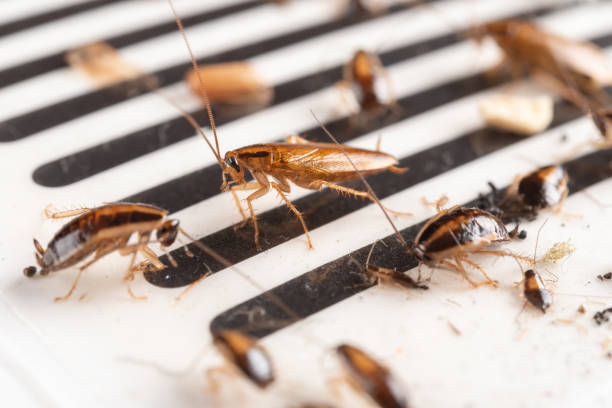
lots of cockroaches have been caught by the sticker or catcher lots of cockroaches have been caught by the sticker or catcher cockroaches stock pictures, royalty-free photos & images

Best Practices for Long-Term Pest Control and Prevention Success

Effective pest control is not only about eliminating existing infestations but also about maintaining a pest-free environment in the long term. By implementing best practices, homeowners and businesses can safeguard their property against recurring infestations. Below, we outline some essential strategies for sustainable pest prevention and control success.

1. Maintain a Clean Environment

One of the most important steps in long-term pest control is maintaining cleanliness. Pests thrive in dirty, cluttered spaces where they can find food, water, and shelter. Regular cleaning disrupts these conditions.

  • Wipe down counters and stovetops daily to remove food debris.
  • Store food in airtight containers to prevent contamination.
  • Empty trash bins regularly and use bins with tight-fitting lids.
  • Vacuum carpets and rugs weekly to remove crumbs.
  • Avoid clutter that could provide hiding spots for pests.
  • Clean pet bedding frequently to prevent the attraction of fleas or mites.
  • Eliminate standing water sources, such as birdbaths or poorly draining soil.
  • Trim overgrown vegetation around buildings to limit pest access points.

2. Seal Entry Points

Pests often enter homes through small cracks, gaps, or openings that might go unnoticed. Conduct regular inspections of your property to identify potential entry points.

  • Inspect windows and doors for gaps; install weather stripping or door sweeps as needed.
  • Seal cracks around foundations, walls, and utility penetrations using caulk or steel wool.
  • Repair damaged screens on doors and windows promptly.

3. Regular Monitoring

Routine monitoring can help you detect early signs of a potential infestation before it becomes a bigger problem.

Pest Type Early Signs Actions to Take
Rodents Droppings near food storage areas Set traps or contact professionals
Cockroaches Shed skins or egg casings Deep clean affected areas
Termites Mud tubes near wood structures Schedule professional inspection
Ants Trails leading to food sources Use bait stations

4. Use Safe Pest Control Products

When addressing minor infestations independently, prioritize safe pest control measures that minimize harm to humans, pets, and the environment.

  • Utilize organic pesticides when possible.
  • Use bait traps instead of chemical sprays for targeted treatment.
  • Follow product instructions carefully to maximize effectiveness while minimizing risk.

5. Educate Yourself About Pest Behavior

  • Learn about seasonal activity patterns (e.g., increased rodent issues in colder months).
  • Identify which structural vulnerabilities attract certain pests (e.g., termites favor moist wood).

The Role of Professional Inspections

Even with robust preventive measures in place, scheduling periodic professional inspections is key for detecting hidden problems that may not be evident during routine checks. Professionals have access to advanced tools like moisture meters or infrared cameras that can identify potential risks early.

By combining proactive maintenance with expert insights when necessary, homeowners can establish a strong foundation for long-term pest control success while reducing reliance on reactive treatments over time.

When to Schedule Professional Help to Effectively Handle Pest Issues

Effectively managing pest problems requires careful timing and decision-making. While some pest issues may be handled with DIY measures, certain situations warrant the expertise of a professional. Understanding when to call for professional assistance can help protect your property, health, and peace of mind. Below is an in-depth look at when hiring a pest control specialist becomes essential.

Signs That Indicate Professional Help Is Needed

  • Recurring Infestations: If pests keep returning despite repeated treatment efforts, professionals can identify hidden entry points or colonies that DIY methods may miss.
  • Extensive Damage: Visible damage such as gnawed wood, chewed wiring, or holes in walls often indicates a significant infestation beyond surface-level treatment.
  • Unidentifiable Pests: Some pests are difficult to identify without expertise, leading to ineffective treatments if handled improperly. Professionals can diagnose the issue accurately.
  • Health and Safety Risks: If pests like rodents or wasps pose immediate threats through bites, stings, or disease transmission, quick action by specialists is critical.
  • Large-scale Infestations: If infestations spread across significant portions of your property (e.g., multiple rooms or outdoor areas), specialized tools and techniques are needed for thorough eradication.

Benefits of Professional Pest Control Services

  1. Accurate Pest Identification: Professionals can pinpoint the species and lifecycle stage of pests for targeted treatment approaches.
  2. Customized Solutions: Tailored plans based on the severity of infestation and property type ensure effective results.
  3. Safe Treatment Practices: Licensed exterminators use methods that minimize risks to humans, pets, and the environment.
  4. Prevention Strategies: Experts provide guidance on long-term prevention measures such as sealing entry points and eliminating attractants.
  5. Cost Savings Over Time: Addressing infestations promptly with professional help prevents further damage that could result in costly repairs.

Common Scenarios for Scheduling Professional Service

Scenario Reasons for Hiring Professionals
Bed Bug Infestation Requires specialized heat treatments or chemical methods
Widespread Termite Damage Structural damage remediation needs expertise
Rodent Activity Near Food Areas Risk of contamination necessitates safe removal techniques
Persistent Cockroach Sightings Identifying breeding sites requires advanced knowledge
Regular Seasonal Infestations Preventative treatments ensure future protection

How Often Should You Schedule Professional Visits?

  • For commercial properties in food service industries: Monthly inspections are ideal due to stricter hygiene requirements.
  • For residential properties with occasional issues: Biannual preventive visits often suffice unless specific infestations arise.
  • For high-risk areas (e.g., humid regions prone to termites): Quarterly inspections help mitigate risks efficiently.

By proactively scheduling services during peak pest seasons—such as spring and summer—you can better safeguard your home or business against unexpected infestations.

Regular monitoring combined with prompt professional intervention ensures effective handling of even the most complex pest problems while minimizing long-term risks to your property’s integrity and occupants’ health.