
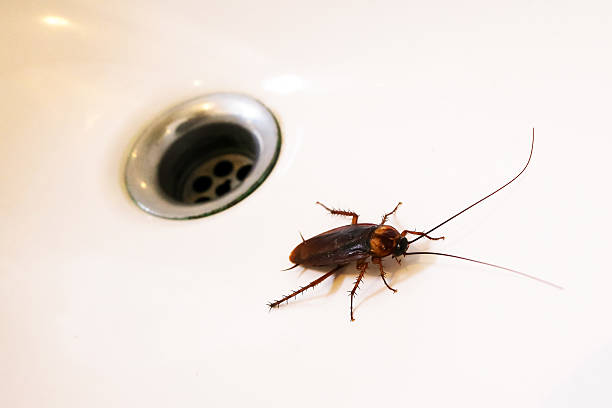
Pest infestations can cause significant stress, health risks, and damage to your home. Effectively stopping a pest invasion requires a combination of proactive prevention, immediate action, and professional intervention when necessary. Below are expert tips and proven solutions that can help protect your home from unwanted pests.
Identify the Source of the Infestation
Before taking any action, it is crucial to determine the source of the infestation. Look for:
– Entry points such as cracks in walls, broken windows, or gaps around doors.
– Areas with high moisture levels like basements or under sinks.
– Food sources left exposed, such as crumbs on floors or improperly sealed food containers.
By identifying where pests are entering and what’s attracting them, you can develop a targeted approach to stop the problem at its root.
Maintain a Clean Environment
A clean home is less inviting to pests. Focus on:
– Proper Food Storage: Store food in airtight containers to prevent access for rodents and insects.
– Regular Cleaning: Sweep floors, vacuum carpets, and clean kitchen counters daily to remove crumbs and spills.
– Trash Management: Dispose of garbage frequently and use sealed bins both indoors and outdoors.
Seal All Possible Entry Points
Exclusion is one of the most effective ways to stop pests from invading your home. Take these steps:
1. Inspect walls, windows, doors, roofs, attics, and crawl spaces for gaps or openings.
2. Use caulk or steel wool to seal small cracks or holes that rodents could use as entryways.
3. Install weather stripping around doors and windows if needed.
Use Natural Deterrents Where Possible
For those seeking eco-friendly methods:
– Citrus peels repel cockroaches naturally due to their strong scent. Place them in areas prone to infestation. – Essential oils such as peppermint oil can deter ants or spiders when diluted with water and sprayed along baseboards. – Vinegar mixed with water can wipe away ant trails while removing their pheromones.
Know When To Call Professionals
For severe infestations that cannot be managed using DIY methods alone (e.g., termites damaging structural wood), engaging a licensed pest control service is essential: Benefits include: – Expertise in identifying hard-to-find nests. – Use specialized equipment less likely accessible domestic
Common Signs That Mean You Need Exterminators in Florida for Pest Infestations
1. Physical Evidence of Pests
- Droppings: One of the most apparent signs is pest droppings. Rodents, cockroaches, and other pests leave behind fecal matter that can often be found near food sources or hidden areas.
- Chewed or Gnawed Items: Rats and mice tend to chew through wires, furniture, and packaging materials.
- Dead Insects: Accumulations of dead insects near windowsills or light fixtures can indicate an infestation.
2. Unusual Noises
- Scratching or scurrying sounds within walls, ceilings, or floors often point to rodent activity.
- Buzzing noises near windows could indicate the presence of flying insects such as bees or wasps.
3. Unpleasant Odors
- A strong musty smell might indicate an ongoing rodent infestation.
- Cockroach infestations are often accompanied by oily or foul odors due to their secretions.
4. Structural Damage
Pests such as termites and carpenter ants can cause noticeable physical damage to wood structures: – Hollow-sounding wood – Cracked paint on walls – Tiny holes in wooden surfaces
| Pest Type | Common Damage | Likely Location |
| Termites | Wood damage; hollowed-out furniture | Foundation, attics |
| Rodents | Chewed wires; gnawed baseboards | Kitchens, basements |
| Carpenter Ants | Internal structural wood damage | Damp areas like bathrooms |
Effective Steps for Pest Removal Services in Florida
If you suspect a pest problem based on these indicators: 1. Inspect your home thoroughly by focusing on dark corners, basements, attics, and unused spaces. 2. Look for entry points such as cracks in walls, gaps under doors, and broken window screens. 3. Monitor high-risk areas like kitchens where food is stored.
By recognizing these signs early on and addressing them swiftly with appropriate actions – whether through professional pest control services or DIY solutions – you limit potential damage while ensuring your home remains safe for your family.
Identifying Common Signs of Infestations with a Florida Pest Control Service
Recognizing the early signs of a pest infestation in your home is crucial for addressing the issue before it escalates. Pests can cause structural damage, contaminate food, and pose health risks to occupants if left unchecked. Below are some common indicators of pest activity to watch out for, categorized by type.
1. Physical Evidence Left by Pests
- Droppings: Small fecal droppings are one of the most common signs. For instance:
- Rodent droppings are small, dark pellets.
- Cockroach droppings resemble coffee grounds or black pepper.
- Gnaw Marks: Chewed wires, furniture, or food packaging often point to rodents. Look for fresh marks that may indicate current activity.
- Shed Body Parts: This includes discarded wings from termites or casings from bedbugs.
2. Strange Noises
- Scratching or tapping sounds, especially at night, could indicate the presence of pests like mice, rats, or squirrels in walls or attics.
- A faint rustling sound might suggest insect activity such as cockroaches.
3. Unusual Odors
Pests often leave behind distinct smells: – A musty odor could signal bedbugs or cockroach infestation. – Ammonia-like smells often accompany rodent urine. – Decaying odors may indicate a dead pest trapped inside walls or crawl spaces.
4. Structural Damage
Visible damage to your home can be a clear indicator of pest presence: – Termites: Hollow-sounding wood when tapped and small pinholes in walls and furniture signal termite damage. – Rodents: Chewed insulation, baseboards, and electrical wiring serve as warning signs.
| Pest Type | Common Structural Damage | Other Signs |
| Termites | Hollow wood structures | Mud tubes near foundation |
| Rodents | Gnawed electrical wires | Holes in pantry items |
| Carpenter Ants | Wood shavings near entry points | Large ant presence indoors |
5. Nesting Materials
Look out for: – Shredded paper, fabric scraps, leaves, or insulation material that pests use to create nests. – Nests often appear in hidden areas such as attics or behind appliances.
6. Pest Sightings
Spotting live pests during the day may signify a severe infestation because many pests are nocturnal: – Seeing cockroaches during daylight hours could mean overcrowding within hidden areas. – Frequent sightings of ants indoors might require identifying their source trail.
Effective Tips for Early Pest Removal Detection
- Regularly inspect areas prone to pest activity such as basements, attics, kitchens, and bathrooms.
- Seal any cracks or gaps around windows and doors where pests might enter your home.
- Monitor food storage areas for signs of contamination like tiny gnaw marks on boxes.
By paying attention to these signs and acting promptly upon discovery, you can significantly reduce the likelihood of an infestation worsening while maintaining the safety and comfort of your living environment.
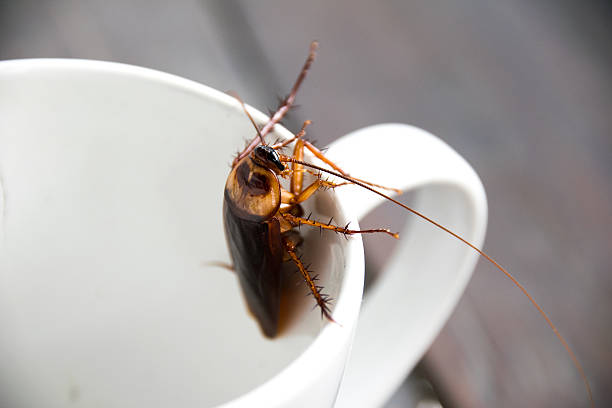
Most Common Household Pests, Their Behaviors, and How to Deal with Them
Understanding the most common household pests and their behaviors is critical for effective pest management. Each pest comes with unique traits, survival tactics, and challenges that homeowners need to address. Below is a detailed overview of some frequent invaders, their habits, and strategies for managing them.
1. Cockroaches
Behavior:
– Thrive in warm, dark, and damp environments.
– Nocturnal creatures that typically hide during the day.
– Feed on almost anything – from food scraps to cardboard and glue.
How to Deal with Them:
– Prevention: Seal cracks, eliminate food sources by cleaning spills promptly, store food in airtight containers.
– Control Methods: Use bait stations or gel baits near common hiding spots such as under sinks or behind appliances. Boric acid can also be an effective treatment but must be used cautiously around pets and children.
2. Rodents (Mice and Rats)
Behavior:
– Known for gnawing through materials like wood, wires, or plastic to access food or nest sites.
– Spread diseases through droppings and urine contamination.
– Highly adaptable and capable of fitting through very small openings.
How to Deal with Them:
– Prevention: Block entry points; seal gaps in walls or around pipes with steel wool or caulk. Keep garbage sealed tightly.
– Control Methods: Traps (snap traps for quick elimination or live traps for humane removal) are effective options. Poison baits should only be used as a last resort due to safety concerns.
| Rodent Control Methods | Advantages | Disadvantages |
| Snap Traps | Quick results | May require frequent resets |
| Live Traps | Humane option | Requires relocation effort |
| Poison Baits | Can control large populations | Risky if misused |
3. Ants
Behavior:
– Ant colonies send scouts in search of food sources; once located, they leave pheromone trails for others to follow.
– Common species include carpenter ants (which damage wood) and sugar ants (which invade kitchens).
How to Deal with Them:
– Prevention: Keep counters clean of crumbs and spills; store sugary items securely. – Control Methods: Identify the ant species first—use bait stations designed specifically for the type of ant you’re dealing with since different species have varied diets (e.g., protein-based vs sugar-based). Wipe down surfaces with vinegar or lemon juice to disrupt pheromone trails.
4. Termites
Behavior:
– Silent destroyers that feed on cellulose found in wood structures. – Often go undetected until significant damage is done.
How to Deal with Them: – Prevention: Regularly inspect wooden structures for signs of damage like hollow sounds when tapped or maze-like patterns on surfaces. – Control Methods: Professional intervention is often required due to their destructive nature. Termite bait systems or liquid termiticides can provide long-term relief.
5. Bed Bugs
Behavior: – Feed exclusively on blood; active at night. – Hide within mattresses, furniture crevices, baseboards, or behind wall hangings.
How to Deal with Them: – Prevention: Launder bedding frequently at high temperatures; avoid bringing secondhand furniture into your home without inspection. – Control Methods: Vacuum thoroughly around sleeping areas; use bed bug-proof encasements on mattresses and box springs. For severe infestations, professional treatments such as heat remediation may be necessary.
Addressing household pests promptly reduces health risks while preventing structural damage over time by curbing infestations before they worsen.
Essential Steps a Pest Control Company Recommends When You Discover a Pest Problem
Dealing with a pest problem requires swift and deliberate action to prevent the situation from escalating. Once you notice signs of a pest infestation, taking immediate steps can help mitigate damage to your property and protect the health of everyone in your household. Below are essential actions you should take when encountering pests in your home.
1. Identify the Type of Pest
- Look for physical evidence such as droppings, nests, or visible insects.
- Note any unusual sounds (e.g., scurrying in walls) or odors.
- Research online or contact an expert if you’re unsure.
Understanding which pest you’re dealing with will guide you toward the most effective treatment options.
2. Contain the Infestation
- Seal off affected areas: Use caulk or weatherstripping to close gaps around windows, doors, and baseboards.
- Isolate food sources: Store all food items in airtight containers and avoid leaving food uncovered.
- Limit access to water: Fix leaks and ensure all sinks and drains remain dry.
By cutting off access points, food, and water sources, you make your home less attractive to pests.
3. Document Evidence of Infestation
| Evidence Type | Examples |
| Physical Evidence | Droppings, chewed materials |
| Visual Sightings | Live pests or dead specimens |
| Environmental Signs | Damaged wood (termites), grease trails (rodents) |
Photograph any damage caused by pests as this information may also be useful for insurance claims.
4. Perform Immediate Cleaning
- Vacuum floors thoroughly to remove droppings, eggs, or live pests.
- Wipe down counters and surfaces using disinfectants.
- Remove any clutter where pests might hide or nest.
Cleaning not only addresses current problems but also discourages future infestations by eliminating enticing hiding spots.
5. Set Basic Traps or Barriers
Examples: – Rodents: Snap traps or glue traps placed along walls. – Insects: Sticky pads for cockroaches; flypaper for flying insects.
Ensure traps are placed strategically based on where activity has been observed (e.g., near entry points).
6. Assess Whether Professional Help Is Needed
- The infestation is widespread across multiple rooms.
- Harmful pests like termites or bed bugs are involved.
- Previous control measures have failed.
Consulting certified pest control professionals ensures you receive targeted treatments that address both current problems and potential future risks.
Taking these immediate actions can significantly reduce damage caused by pests while improving overall safety within your home environment. Clear documentation coupled with proactive containment measures lays the groundwork for long-term solutions against infestations.
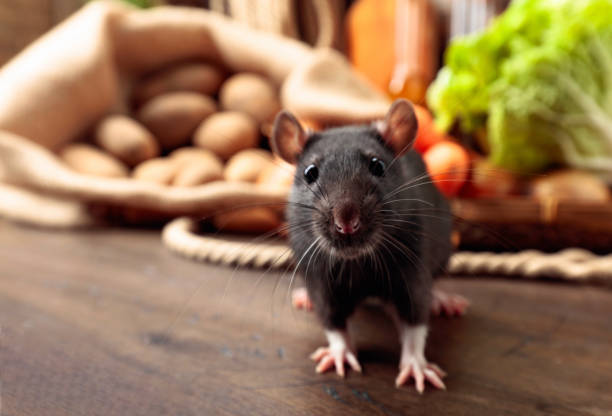
Comprehensive Strategies for Managing Different Types of Pests Effectively
Pests come in various forms, and each type requires tailored strategies to address and manage them effectively. A one-size-fits-all approach often falls short because different pests exhibit unique behaviors, habitats, and vulnerabilities. Below is a comprehensive breakdown of proven strategies to manage various types of pests.
Identifying the Pest Type
- Insects: Ants, cockroaches, flies, bedbugs
- Rodents: Mice and rats
- Arachnids: Spiders
- Other Pests: Termites, fleas, or stinging insects like wasps
Each category demands its own plan of action based on behavior and habitat.
Tailored Approaches for Different Pests
- Seal cracks and crevices around windows, doors, or walls to eliminate entry points.
- Use baits specifically designed for the insect species (e.g., ant bait gels or cockroach traps).
- Maintain cleanliness in areas where food is stored or prepared to reduce attractants.
- Install snap traps or humane catch-and-release traps along walls where rodents travel.
- Block potential entry points with steel wool or caulking since rodents can squeeze through tiny gaps.
- Remove sources of food by securing trash bins with tight lids.
- Conduct regular inspections for mud tubes or damaged wood around your home’s foundation.
- Use liquid termiticides or baiting systems to eliminate colonies.
- Consider professional treatment options if infestations are extensive.
- Reduce clutter in basements or attics where spiders tend to hide.
- Vacuum regularly to remove webs and egg sacs.
- Install screens on windows and doors as a barrier against spider entry.
- Avoid swatting at nests; instead, call professionals for removal if nests are large.
- Use wasp sprays that target individuals near nest sites.
- Keep sugary drinks sealed outdoors during peak seasons.
- Wash bedding regularly in hot water if dealing with bedbugs.
- Vacuum carpets thoroughly to eliminate flea eggs from deep fibers.
- Apply diatomaceous earth as a non-toxic solution for both pests.
Preventative Measures for Long-Term Pest Control
- Regularly inspect homes for signs of infestation before they escalate.
- Store food in airtight containers to deter pests like ants and rodents.
- Trim bushes and trees away from walls to limit access points for crawling insects like termites.
| Pest Type | Key Indicators | Primary Control Methods |
| Ants | Visible trails indoors | Bait traps; seal entry points |
| Rodents | Droppings/gnaw marks | Traps; block openings |
| Termites | Hollow-sounding wood | Termiticides; professional services |
| Bedbugs | Bites on skin/blood stains | Wash bedding; vacuum infected areas |
When Professional Help Is Necessary
While DIY methods can work effectively for minor infestations, certain cases call for professional assistance: – Severe termite damage requiring fumigation – Large rodent populations indicating systemic issues – Stinging insect nests located in hard-to-reach places
Professional exterminators bring expertise along with tools like heat treatment systems or advanced bait techniques that go beyond standard DIY capabilities.
By employing both targeted actions based on pest type and preventative measures across your property, you can ensure long-term protection against unwanted intruders while maintaining a healthy living environment.
Comprehensive Strategies for Managing Different Types of Pests Effectively
Successfully managing pests requires a combination of preventive measures, targeted interventions, and ongoing monitoring. Different types of pests—ranging from insects to rodents—have distinct behaviors and vulnerabilities that necessitate tailored strategies. Below is an outline of comprehensive methods for managing various pests effectively.
1. Preventive Measures
- Use caulk or weatherstripping to seal cracks around doors, windows, and other entry points.
- Install door sweeps and repair damaged screens.
- Store food in airtight containers to prevent access by pests like ants or cockroaches.
- Clean up crumbs, spills, and food debris promptly.
- Regularly vacuum carpets and clean surfaces where food may be present.
- Dispose of garbage frequently in tightly closed bins.
2. Targeted Pest Management Strategies
| Pest Type | Behavior Characteristics | Management Strategy |
| Cockroaches | Nocturnal; hide in dark, moist areas | Use bait traps; apply gel baits near hiding spots; reduce moisture levels. |
| Ants | Social insects; follow scent trails | Place ant baits along trails; eliminate attractants like sugar or grease. |
| Rodents | Gnawers; build nests in hidden areas | Use snap traps or electronic traps; seal holes larger than ¼ inch. |
| Mosquitoes | Breed in stagnant water; active at dusk | Eliminate standing water sources; use insect-repellent sprays or nets. |
| Termites | Feed on wood structures | Apply liquid termiticides around foundations; consider professional fumigation. |
3. Integrated Pest Management (IPM) Approach
IPM is a sustainable strategy that combines biological, cultural, mechanical, and chemical tools to control pest populations effectively while minimizing risks to humans and the environment.
- Introduce natural predators like ladybugs for aphid control.
- Use nematodes to target soil-dwelling pests such as grubs.
- Rotate crops (for agricultural settings) to disrupt pest lifecycle patterns.
- Maintain proper drainage around properties to deter moisture-loving pests.
- Set up physical barriers such as screens or fences.
- Use sticky traps for crawling insects.
- Apply pesticides sparingly and only when necessary.
- Opt for eco-friendly insecticides wherever possible.
4. Monitoring & Maintenance
- Conduct regular inspections of potential problem areas, such as basements, attics, and kitchens.
- Utilize monitoring tools like glue boards or pheromone traps to track activity levels over time.
- Stay vigilant during seasonal changes when certain pests become more active (e.g., ants in spring).
By combining preventive practices with targeted strategies tailored for specific pests—and remaining consistent with maintenance efforts—you can significantly reduce the risk of infestation over time. The proactive integration of various approaches ensures long-term success in managing different types of pests effectively while maintaining a safe living environment.
- How a Pest Control Company Can Help You Understand Infestations and Their Root Causes
- How a Pest Control Company Can Help Protect Your Home and Health
- Key Differences Between Florida Pest Control Experts and Exterminators
- The Importance of Hiring Exterminators in Florida to Prevent Future Cockroach Infestations
- Expert Tips and Proven Solutions for Florida Pest Control
- Effective Tips for Cleaning Up After Florida Pest Control Treatments
- Effective Pest Removal Services in Florida: Immediate Actions to Take When Facing an Infestation
- How to Avoid Common Florida Pest Control Mistakes and Ensure Success